Introduction
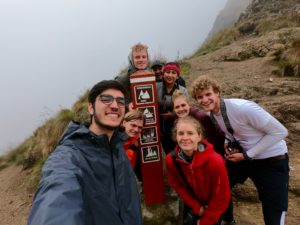
Living in Cuzco and volunteering with LAFF has been an incredible experience so far. I have worked with some fantastic people and had the opportunity to go and visit many cool places in the city and the Sacred Valley. Coming here for a longer period of time, rather than just travelling through, has allowed me to really engage with the area and not lose sight of the incredible people living here, as well as discover sustainable tourism as a feasible option for the future. I have chosen the topic of sustainable tourism as I believe that this is not only an important topic of interest, within the context of the current climate crises, but it also relates to my own experience in Cuzco and previous experience living and volunteering in Paraguay. I think that being a tourist nowadays does require some sort of understanding of the effects of travel on our surroundings, and so I am wanting to explore how this can be practised in an affordable and realistic way.
What is Sustainable Tourism?
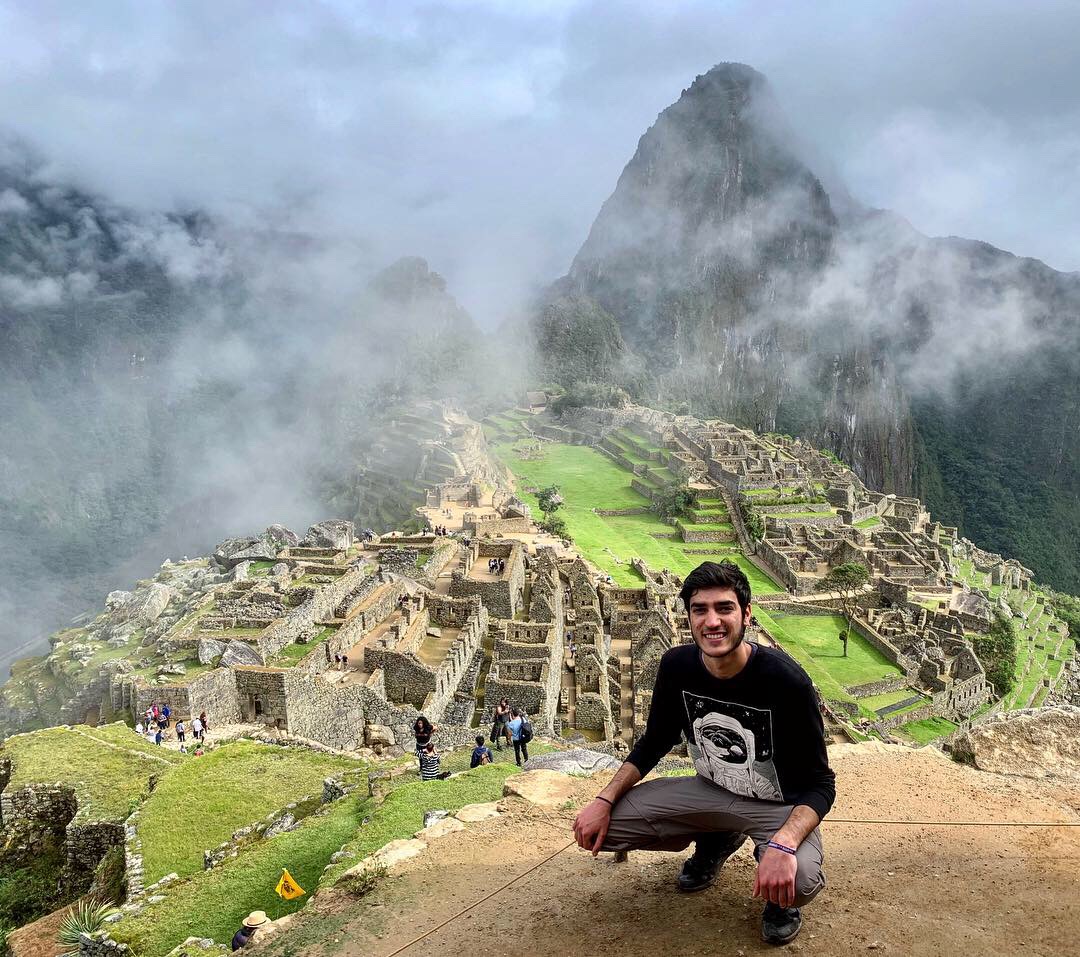
Sustainable tourism has been described in various ways. The World Tourism Organisation defines it as ‘tourism that takes full account of its current and future economic, social and environmental impacts, addressing the needs of visitors, the industry, and host communities’ (1). Further, it encompasses ‘environmental awareness, and conserves and protects the environment, respects wildlife, as well as cultural diversity, and improves the welfare and livelihoods of local communities by supporting their local economies and the human and natural environment as a whole’ (2). This is particularly relevant within this region. Sites like Machu Picchu receive approximately 1.5 million visitors annually and so the positive and negative impacts of global tourism can be seen clearly within Perú. The country further advertises different types of tourism, including jungle visits, cultural visits to the Sacred Valley and coastal visits. This means that tourism has a wide-ranging impact on the economy, culture and environment of Perú and therefore sustainable tourism relates heavily to the country’s future.
Types
Perhaps one of the most known forms of sustainable tourism is Ecotourism; this is a concept which has been described by Fennell as a ‘sustainable form of natural resource-based tourism that focuses primarily on experiencing and learning about nature, and which is ethically managed to be low-impact, non-consumptive and locally-oriented’ (3), whilst the Global Ecotourism Network states it as ‘responsible travel to natural areas that conserves the environment and sustains the well-being of the local people’ (4). This may include the money raised from visiting natural places being directly invested into the protection of local ecosystems. This has been hailed as being positive as it allows tourists to contribute directly to conservation and the local communities’ economy. Examples of this type of sustainable tourism can be seen in places such as Puerto Maldonado or Iquitos in Perú, where tourists can volunteer their time in conservation and observe animals in an untouched environment. Yet, many have argued that this form of tourism poses a serious barrier to achieving complete sustainability within conservation and wildlife care, by disrupting natural eating and breeding patterns of wildlife. Whilst ecotourism may hold some benefits, such as directly funding the conservation and protection of endangered animals, there still remain aspects to be explored.
If you are wanting a trip into nature in Perú, whether that be to volunteer at an animal sanctuary or visit natural areas of beauty, it is vital to ensure that this actually helps and that the money raised goes directly towards conservation. The International Ecotourism Society is one such organisation which may help to identify sustainable travel destinations where the animals are prioritised and human impact minimal.
How can we practise it?
There are many ways to ensure that we are practising sustainable tourism, if like me you are wanting to travel and also help our surroundings. One of the many methods of support, which I attempt to practise, is buying from local businesses. In particular, buying locally-made crafts and souvenirs ensures the contribution to the economy will have a more direct and positive impact through supporting authentic cultural heritage. I know that sometimes these crafts may be more expensive, but wherever we can help is amazing! For example, head out to Chinchero (about 30km from Cuzco) where you can see traditional weaving of garments and support the local community by purchasing locally-made items such as gloves or ponchos. As well as trying to use more low-carbon public transport systems such as local buses wherever possible and avoiding single-use plastic, even tour operators can be analysed to ensure you are travelling with the correct company. One of LAFF’s partner organisations, Mosqoy, focuses particularly on the empowerment of local Quechua culture through textiles and allows tourists to visit and understand a traditional way of life in the Andes in a respectful and positive way. Mosqoy also values autonomy and independence for the textile-makers and ensuring the communities receive a fair price for their work. Whilst this may seem overwhelming, engaging with an organisation like this can go a long way in helping our planet when travelling.
Slow Travel
With rising environmental awareness, recognition of slow tourism within the sustainable tourism industry has also increased. Dickinson argues that slow travel focuses not only on low-carbon modes of transportation but also on participation in relatively slower forms of travel for the sake of exploring local communities, history and culture (5). Timms and Conway have described it as encompassing three aspects of sustainability (6), of which socio-cultural and economic are particularly relevant for Cuzco, as tourists can help to financially maintain the social and cultural authenticity of the Sacred Valley and the region by supporting community-based tourism through purchasing locally-sourced food, locally-made souvenirs and joining ethical tours. This concept also motivates travellers to decrease their travel frequency, stay longer at their destination and take a favourable approach towards resources.
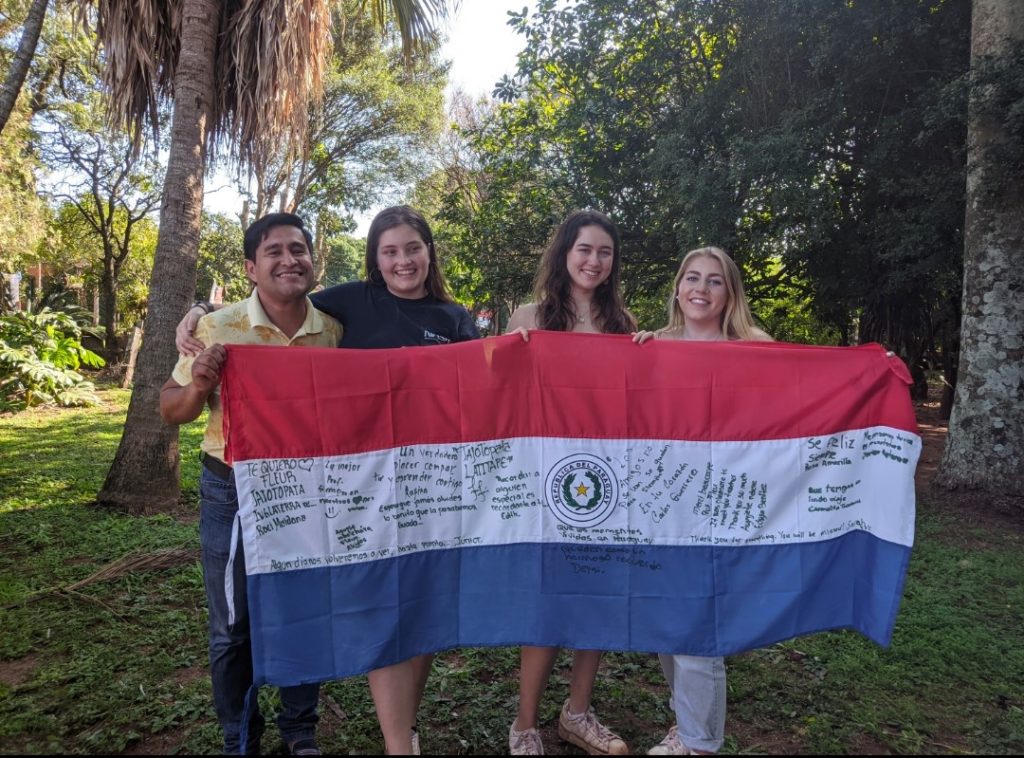
I personally hadn’t heard of slow travel until recently and I was interested in understanding how it can be practised and its benefits. I chose to live in Paraguay for 5 months last year as part of my Year Abroad and as a result I was able to fully appreciate the benefits, to not only myself but also the community and the environment. Volunteering through teaching English and living with a host family allowed me to fully understand the importance of local culture and traditions, rather than travelling through quickly and abruptly. I also tried to ensure I was taking the best means of public transport possible to visit more local attractions. Whilst I understand that this is not possible for everyone, the experience I had whilst living in one place rather than travelling through quickly was an unforgettable experience. This also fueled my desire to revisit South America and experience life more profoundly in another country. Perú has always been on my list of dream countries to visit so when I was researching the best way to come, volunteering at a charity like LAFF quickly became a fantastic option for me. I knew it would allow me to fully immerse myself in the culture of Perú as well as be able to understand how to financially and responsibly contribute to the local economy and the region. If the opportunity ever arises to visit a place in this way, I would definitely recommend it.
As seen, if you are wanting to travel more sustainably, volunteering abroad with a charity like LAFF could be a perfect opportunity to practise this. Say you want to spend a couple months in Perú but want to experience more of the culture and reduce your environmental impact at the same time, offering your time to a charity like LAFF can ensure that you are making a positive, rather than negative difference. Working for a charity like LAFF which also values partnership with established local organisations, ensuring a higher quality of educational programmes and efficiency with what we do, can ensure that you are giving back to the community in which you are living in a way that is not at the expense of those living there. I have personally loved my experience living and working in Cuzco so far, as the location offers many opportunities for travelling slowly to local hikes and attractions, and LAFF has enabled me to fully engage with local communities and people and understand the culture in a more authentic way.
Travelling sustainably can be difficult, and it is oftentimes easier to travel how we are used to travelling. There may be financial or time constraints, however only a few changes may have a large impact on the environment we are visiting. If you are interested in practising sustainable tourism on your next visit to South America, perhaps volunteering with a charity like LAFF could be a good place to start.
Turismo sostenible: Garantizar el futuro de nuestro planeta durante las vacaciones
La Introducción
Vivir en Cuzco y ser voluntario con LAFF ha sido una experiencia increíble hasta ahora. He trabajado con gente fantástica y he tenido la oportunidad de visitar muchos lugares interesantes de la ciudad y del Valle Sagrado. Venir aquí durante un periodo de tiempo más largo, en lugar de simplemente viajar, me ha permitido comprometerme realmente con la zona y no perder de vista a las personas increíbles que viven aquí, así como descubrir el turismo sostenible como una opción viable para el futuro. He elegido el tema del turismo sostenible porque creo que no sólo es un tema de interés importante, en el contexto de la actual crisis climática, sino que también está relacionado con mi propia experiencia en Cuzco y con mi experiencia previa de vida y voluntariado en Paraguay. Creo que ser turista hoy en día requiere algún tipo de comprensión de los efectos del viaje en nuestro entorno, por lo que quiero explorar cómo se puede practicar de una manera asequible y realista.
¿Qué es el turismo sostenible?
El turismo sostenible se ha descrito de formas diversas. La Organización Mundial del Turismo lo define como “el turismo que tiene plenamente en cuenta sus repercusiones económicas, sociales y medioambientales actuales y futuras, atendiendo a las necesidades de los visitantes, la industria y las comunidades anfitrionas” (1). Además, engloba “la conciencia medioambiental, y conserva y protege el medio ambiente, respeta la fauna y la flora, así como la diversidad cultural, y mejora el bienestar y los medios de vida de las comunidades locales apoyando sus economías locales y el entorno humano y natural en su conjunto” (2). Esto es especialmente relevante en esta región. Lugares como Machu Picchu reciben aproximadamente 1,5 millones de visitantes al año, por lo que las repercusiones positivas y negativas del turismo mundial pueden verse claramente en Perú. Además, el país anuncia diferentes tipos de turismo, como visitas a la selva, visitas culturales al Valle Sagrado y visitas a la costa. Esto significa que el turismo tiene un impacto amplio en la economía, la cultura y el medio ambiente de Perú y, por tanto, el turismo sostenible está muy relacionado con el futuro del país.
Tipos
Tal vez una de las formas más conocidas de turismo sostenible sea el ecoturismo, un concepto descrito por Fennell como “una forma sostenible de turismo basado en los recursos naturales que se centra principalmente en experimentar y aprender sobre la naturaleza, y que se gestiona éticamente para tener un bajo impacto, no consumir y estar orientado a lo local” (3), mientras que la Red Mundial de Ecoturismo lo define como “un viaje responsable a zonas naturales que conserva el medio ambiente y mantiene el bienestar de la población local” (4). Esto puede incluir que el dinero recaudado por visitar lugares naturales se invierta directamente en la protección de los ecosistemas locales. Esto se ha considerado positivo, ya que permite a los turistas contribuir directamente a la conservación y a la economía de las comunidades locales. Ejemplos de este tipo de turismo sostenible pueden verse en lugares como Puerto Maldonado o Iquitos, en Perú, donde los turistas pueden dedicar su tiempo como voluntarios a la conservación y observar animales en un entorno natural. Sin embargo, muchos sostienen que esta forma de turismo supone un obstáculo serio para lograr una sostenibilidad completa en el ámbito de la conservación y el cuidado de la vida salvaje, al alterar los patrones naturales de alimentación y reproducción de la fauna. Aunque el ecoturismo puede tener algunas ventajas, como financiar directamente la conservación y protección de animales en peligro, aún quedan aspectos por explorar.
Si deseas realizar un viaje a la naturaleza en Perú, ya sea para trabajar como voluntario en un santuario de animales o visitar parajes naturales de gran belleza, es importante asegurarse de que realmente ayuda y de que el dinero recaudado se destine directamente a la conservación. La Sociedad Internacional de Ecoturismo es una organización que puede ayudar a identificar destinos turísticos sostenibles donde se dé prioridad a los animales y el impacto humano sea mínimo.
¿Cómo podemos practicarlo?
Hay muchas formas de asegurarse de que practicamos un turismo sostenible, si como yo quieres viajar y además ayudar a nuestro entorno. Uno de los muchos métodos de ayuda, que intento practicar, es comprar en negocios locales. En particular, comprar artesanía y recuerdos fabricados localmente garantiza que la contribución a la economía tendrá un impacto más directo y positivo al apoyar el auténtico patrimonio cultural. Sé que a veces estas artesanías pueden ser más caras, ¡pero siempre que podamos ayudar es increíble! Por ejemplo, en el pueblo de Chinchero (a unos 30 km de Cuzco), podrá ver el tejido tradicional de prendas de vestir y apoyar a la comunidad local comprando artículos de fabricación local, como guantes o ponchos. Además de intentar utilizar más sistemas de transporte público con bajas emisiones de carbono, como los autobuses locales, siempre que sea posible, y evitar el plástico de un solo uso, incluso se pueden analizar los operadores turísticos para asegurarse de que se viaja con la compañía correcta. Mosqoy, una de las organizaciones asociadas al LAFF, se centra especialmente en la potenciación de la cultura quechua local a través de los textiles y permite a los turistas visitar y comprender un modo de vida tradicional de los Andes de forma respetuosa y positiva. Mosqoy también valora la autonomía e independencia de los textileros y garantiza que las comunidades reciban un precio justo por su trabajo. Aunque pueda parecer abrumador, colaborar con una organización como ésta puede ayudar mucho a nuestro planeta cuando viajamos.
Slow Travel
Con el aumento de la conciencia medioambiental, también ha aumentado el reconocimiento del slow travel dentro de la industria del turismo sostenible. Dickinson sostiene que el slow travel se centra no sólo en los medios de transporte con bajas emisiones de carbono, sino también en la participación en formas de viaje relativamente más lentas en aras de la exploración de las comunidades locales, la historia y la cultura (5). Timms y Conway lo han descrito como un concepto que engloba tres aspectos de la sostenibilidad (6), de los cuales el sociocultural y el económico son especialmente relevantes para Cuzco, ya que los turistas pueden ayudar a mantener económicamente la autenticidad social y cultural del Valle Sagrado y la región apoyando el turismo comunitario mediante la compra de alimentos de origen local, recuerdos fabricados localmente y la participación en excursiones éticas. Este concepto también motiva a los viajeros a disminuir la frecuencia de sus viajes, permanecer más tiempo en su destino y adoptar una actitud favorable hacia los recursos.
Yo personalmente no había oído hablar del slow travel hasta hace poco y me interesaba saber cómo se puede practicar y cuáles son sus beneficios. El año pasado decidí vivir 5 meses en Paraguay como parte de mi Año en el Extranjero y, gracias a ello, pude apreciar plenamente sus beneficios, no sólo para mí, sino también para la comunidad y el medio ambiente. Trabajar como voluntario enseñando inglés y viviendo con una ‘familia local’ me permitió comprender plenamente la importancia de la cultura y las tradiciones locales, en lugar de viajar de forma rápida y brusca. También intenté asegurarme de tomar el mejor medio de transporte público posible para visitar más atracciones locales. Aunque comprendo que esto no es posible para todo el mundo, la experiencia de vivir en un lugar en vez de viajar deprisa fue inolvidable. Esto también alimentó mi deseo de volver a Sudamérica y experimentar la vida más profundamente en otro país. Perú siempre ha estado en mi lista de países soñados para visitar, así que cuando estaba investigando la mejor manera de venir, el voluntariado en una organización benéfica como LAFF se convirtió rápidamente en una opción fantástica para mí. Sabía que me permitiría sumergirme por completo en la cultura de Perú, así como comprender cómo contribuir financiera y responsablemente a la economía local y a la región. Si alguna vez se presenta la oportunidad de visitar un lugar de esta manera, sin duda lo recomiendo.
Como se ha visto, si quieres viajar de forma más sostenible, el voluntariado en el extranjero con una organización benéfica como LAFF puede ser una oportunidad perfecta para ponerlo en práctica. Digamos que quieres pasar un par de meses en Perú, pero quieres experimentar más de la cultura y reducir tu impacto ambiental al mismo tiempo, ofrecer tu tiempo a una organización benéfica como LAFF puede asegurar que estás haciendo una diferencia positiva, en lugar de negativa. Trabajar para una organización benéfica como LAFF que también valora la asociación con organizaciones locales establecidas, asegurando una mayor calidad de los programas educativos y la eficiencia con lo que hacemos, puede asegurar que usted está devolviendo a la comunidad en la que estás viviendo de una manera que no es a expensas de los que viven allí. Personalmente, me ha encantado mi experiencia de vivir y trabajar en Cuzco hasta ahora, ya que el lugar ofrece muchas oportunidades para viajar despacio a excursiones y atracciones locales, y LAFF me ha permitido comprometerme plenamente con las comunidades y personas locales y entender la cultura de una manera más auténtica.
Viajar de forma sostenible puede ser difícil, y a menudo es más fácil viajar como estamos acostumbrados. Puede haber limitaciones económicas o de tiempo, pero unos pocos cambios pueden tener un gran impacto en el entorno que visitamos. Si estás interesado en practicar el turismo sostenible en tu próxima visita a Sudamérica, quizá el voluntariado con una organización benéfica como LAFF sea un buen punto de partida.