>

Interview with Photography artist (Empower Andean Arts campaign)- Ninoska Montúfar Becerra

Ninoska is a photographer based in Cusco.

What inspired you to create your art?

Since I was a child I have always felt a huge love for my culture and the traditions of my land, Sicuani, in Cusco. I think there is something very special about being able to capture those moments, colours and landscapes that are part of our identity. Photography became my way of sharing that beauty with the world, of saving and transmitting the essence of who we are. For me, each photo is a way to honour and preserve everything that makes us unique.

Who taught you your art and what does this relationship mean to you?

The truth is that I have learned photography self-taught. I started taking photographs with my cell phone, and little by little I have been getting better photographic equipment, I have been exploring, trying and making mistakes until I found my own style. Every photo I take is an opportunity to improve and better understand what I want to convey. For me, this way of learning has been very special because it has allowed me to develop a very personal connection with my work, without fixed rules, just letting myself be carried away by what I see and feel at all times.

What impact does commercialization have on your art and how sustainable do you think it is?

The commercialization of photography has a double impact on my work. On the one hand, it motivates me to constantly improve my technique and explore new forms of expression so that my images are valued not only on a personal level but also in a broader market. On the other hand, it can be challenging, as the balance between creativity and commercial demand sometimes limits artistic freedom.

Currently, for me, photography is a passion rather than a means of livelihood, so its sustainability depends on how much I can integrate this passion into economically viable projects. I believe that, with the right strategy, it is possible to find a middle ground where art and marketing coexist without compromising the authenticity of the work.

Versión en español

¿Qué te inspiró a crear tu arte?

Desde niña siempre he sentido un amor enorme por mi cultura y las tradiciones de mi tierra, Sicuani, en Cusco. Creo que hay algo muy especial en poder capturar esos momentos, colores y paisajes que forman parte de nuestra identidad. La fotografía se convirtió en mi manera de compartir esa belleza con el mundo, de guardar y transmitir la esencia de lo que somos. Para mí, cada foto es una forma de honrar y preservar todo eso que nos hace únicos.

¿Quién te enseñó tu arte y qué significa esta relación para ti?

La verdad es que he aprendido fotografía de manera autodidacta. Comence tomando forografias con mi celular, y poco a poco he ido consiguiendo mejores equipos fotograficos, he ido explorando, probando y equivocándome hasta encontrar mi propio estilo. Cada foto que tomo es una oportunidad para mejorar y entender mejor lo que quiero transmitir. Para mí, esta forma de aprender ha sido muy especial porque me ha permitido desarrollar una conexión muy personal con mi trabajo, sin reglas fijas, solo dejándome llevar por lo que veo y siento en cada momento.

¿Cuál es el impacto que tiene la comercialización en tu arte y qué tan sostenible crees que es?

La comercialización de la fotografía tiene un impacto doble en mi trabajo. Por un lado, me motiva a mejorar constantemente mi técnica y a explorar nuevas formas de expresión para que mis imágenes sean valoradas no solo a nivel personal, sino también en un mercado más amplio. Por otro lado, puede representar un reto, ya que el equilibrio entre la creatividad y la demanda comercial a veces limita la libertad artística.

Actualmente, para mí, la fotografía es una pasión más que un medio de sustento, por lo que su sostenibilidad depende de cuánto pueda integrar esta pasión en proyectos viables económicamente. Creo que, con la estrategia adecuada, es posible encontrar un punto medio donde el arte y la comercialización coexistan sin comprometer la autenticidad de la obra.

Interview with Visual Artist (Empower Andean Arts campaign)- Davis Torres Garcia

My name is Davis. I am from Cusco, I am Cusqueño. I am a visual artist. Well, I do different types of art, such as murals, oil paintings, watercolours, and stylographs.

What inspired you to create your art?

“Many things, I think, many things. I am searching for different things—information, culture, the process of city evolution, exploitation, etc. Many things.

At the moment, I feel like I’m on a path where I haven’t yet found my way. So there are many sources of inspiration—nature, people, mysticism, elements from Peru, and many other things.”

At what age did you start creating art?

“Honestly, I haven’t been doing art for long. At first, I don’t know if it’s good to say this, but I used to hate art. When I was a child, I couldn’t stand it. But when I was around 23, I started to feel much more curious.

So I am still in a stage of evolution, understanding, and figuring out how art helps me personally and what it expresses.”

Who taught you your art, and what does that relationship mean to you?

“I think it was a natural process. No one taught me; it just happened naturally—I picked up a pencil and, out of curiosity, wanted to draw something. And I realized that I could.

So, that’s how it happened.”

Are there specific symbols, patterns, or techniques in your art that are important to Andean history or spirituality?

“Yes, there are a lot of symbols. I’ve been researching many symbols. I don’t work much with the Andes, but that was my starting point. I work more with the jungle. My work is a mix of everything, honestly, because everything is connected.”

What is the importance of education in preserving art?

“Traditions. I believe traditions are very important, but it depends on the communities. In Peru, we have many communities that are slowly disappearing due to globalization, economic influences, etc. So, I think traditions are very important because each community has its way of learning and teaching.”

Do you have a favourite tradition?

“No, they are all very interesting. For example, textiles—how people connect with plants and designs. These teachings have been passed down for generations, even before writing existed.”

Have these traditions influenced your work?

“Yes, in one way or another. But what I haven’t done is copy them directly. I believe we must respect these traditions because they are not originally mine.

I might know a little about them, but not deeply. I can be influenced by them or feel inspired, but I don’t appropriate them.”

What challenges do you face in keeping traditional techniques alive in the modern world?

“I don’t see myself as someone who is preserving traditions in a strict sense. The only thing I do is research and document what I think exists.

Some things exist, and I simply portray them. So, preserving them happens through my art, and I believe it can also influence young people.”

Do you think young people today are losing interest in art?

“No. Young people are very curious—about all kinds of art. It’s not just painting.

There’s theatre, film, and many different forms of art that young people explore. So, I believe that’s the way forward. For me, education should first focus on art, then philosophy, and so on.”

Have you taught your art to anyone else?

“Yes, but very little. I’m not very used to teaching. But yes, I have shown my work, and sometimes I’ve connected very well with people.

I am against the idea that some people think they “can’t do art.” So I try to develop techniques that help people connect with painting and overcome fear.”

What have you learned about Andean culture, history, and identity through your artistic journey?

“That it’s not all just about the Incas. There’s much more.

Today, there are so many communities in the mountains that I don’t even really know about. Historically, we read about them in books, but to truly understand, you need to study, read a lot, and, most importantly, live among those communities.

For example, I could read many books about the Q’ero people, but if I haven’t been there, I can’t truly say I know them.”

Do you think traditional Andean art is at risk of losing its authenticity as it becomes more commercialized?

“I believe that in cities, yes. In cities, I think it is being lost because, as I mentioned before, money drives everything.

In remote communities, I think the sharing tradition still exists. People work for each other, share, and trade. But in cities, the ones selling traditional art for commercial purposes are often not even Andean. They could be, or they could be a mix. What’s the term for that? The mix between an Andean and an urban person—mestizo.

So, yes, there are people who see it just as a business because of tourism. That’s the reality.”

What impact does commercialization have on your art, and how sustainable do you think it is?

“Well, that’s a question I always ask myself: how can I survive with art?

Sometimes I can… but it’s not very sustainable for me. That’s why I have another job.

I work elsewhere, and that also inspires me. I don’t dedicate myself to art 100% of the time. I don’t know how to make a living from art, but I love painting.

It’s a way for me to see something and bring it to life. That’s it. But yes, I try to sell my work. Sometimes there are buyers, sometimes not.”

What do you think is the trajectory of your art? What do you hope for?

“I believe that as artists, and as people, we all need to leave something on this planet. We need to do something.

I don’t know exactly what. But I think my art can have an impact—on young people, on society, etc.

That’s what I seek with my paintings, but I still haven’t found the right path.

I’m searching.”

Versión en español

Mi nombre es Davis. Soy de Cusco. Soy un artista plástico. Trabajo con diferentes tipos de técnicas, por ejemplo: murales, hago óleo, acuarela, estilógrafos.

¿Qué te inspiró a crear tu rate?

“Muchas cosas. Aun estoy en busca de diferentes aprendizajes , de información cultura, el proceso de la evolución de las ciudades, también de exploración de las diferentes regiones, su biodiversidad, las historias mitológicas que obviamos,  el misticismo, la diversidad que tenemos en Perú y en el mundo etc.

Hay diferentes maneras de inspirarme y ando buscando cual es mi camino con el rate.”

¿Y desde qué edad has creado tu rate?

“La verdad, no hace mucho. Primero, no sé si es bueno decirlo, pero yo odiaba el arte. Cuando era niño no podía estar con el arte. Cuando tuve  23 años, recién tuve mucha más curiosidad.

Pienso que  estoy en una etapa de evolución, de entendimiento, de como me ayuda personalmente y de expresión.”

¿Y quién te enseñó tu arte y qué significa esta relación para ti?

“Yo creo que fue la naturaleza quien me enseño. Un día agarre el lápiz y me di cuenta que podia plasmar lo que veía y  crear algo. Fue algo natural que lo traía. Pienso que tengo una relación profunda con el arte, como algo espiritual, algo que nunca podría dejarlo aunque quisiera.”

 ¿Y hay símbolos, patrones o técnicas específicas en tu arte que sean importantes para la historia o espiritualidad andina?

“Si existen, pero trato de que no sea lo comercial. Realmente no trabajo mucho con los Andes, pero sí ha sido mi inicio. Trabajo más con la selva y trato de no encasillarme  en un solo tema. Mi trabajo es una mezcla de todo, sinceramente, porque todo está conectado.”

¿Y para ti cuál es la importancia de la educación para preservar el rate?

“Las tradiciones. Creo que las tradiciones son muy importantes. En  Perú tenemos diversidad cultural  que se están perdiendo lentamente  por las diferentes aspectos sociales, la globalización, influencias económicas, etc.Nos hacen entender nuestra identidad a pesar de que soy mestizo.  Entonces, creo que las tradiciones son muy importantes ya que las etnias de diferentes localidades han  tenido  y tienen  una forma de aprender y enseñar desde generaciones anteriores.”

¿Y tienes una tradición favourite?

“No, todos son muy interesantes. Toda  estas enseñanzas culturas vienen de siglos  pasados, antes de la escritura incluso.”

¿Y han influido a tus obras?

“Sí, de alguna u otra forma, sí. Pero lo que sí no he hecho es copiar las cosas de ellos. Creo que tenemos que tener un respeto a las practicas tradicionales de cada cultura.Puede que sepa un poco sobre ellos, pero no profundamente como me gustaría. Puedo dejarme influenciar por ellos o sentirme inspirado, pero no apropiarme de su rate.”

¿Y cuáles son los desafíos que enfrentas para mantener viva las técnicas tradicionales en el mundo modern?

“Creo Yo por el medio de arte, mediante sus técnicas tradicionales, como por ejemplo los textiles, sus ropas, en los artefactos personales, etc  enseñar y  mostrar a los jovenes que es importante e inspirarles por medio de mi arte y el arte traditional.”

¿Y no crees que haya una desafección por las artes en los jóvenes en el momento o no?

“No.

Los jóvenes son muy curiosos en cualquier tipo de arte. No solo es la pintura,

teatro, cine, etc, en  todo tipos de arte van a tener curiosidad los jovenes, creo que por ahí es.El arte siempre va estar al servicio de los jovenes y del mundo.

Tal vez se ve a los jovenes actuales perdiendo el interés por el artes, es el efecto de las pantallas “vivas” y la falta de difundir lo que realmente significa el arte, ya que podría generar sensibilidad para el muno.”

¿Y has enseñado a otra persona tu arte o no?

 “Sí, sí, pero muy poco. No estoy acostumbrado a  mostrar mi arte. Algunas veces he conectado muy bien con las personas gracias a mi trabajo.

Estoy en contra de la idea de que algunas personas piensen que “no pueden hacer arte”. Por eso trato de desarrollar técnicas que ayuden a las personas a conectarse con la pintura y superar el miedo.”

¿Y qué aprendiste sobre la cultura, la historia y la identidad andinas al desarrollar tu rate?

“De que tenemos una diversidad cultural que no solo se basa en la historia de los Incas .

Actualmente hay tantos grupos etnicos en las diferentes regiones del Perú, que se ignoran por que vivimos en la ciudades.

He aprendido a respetar la tierra, respetar a nuestra humanidad, a entender nuestra realidad y nuestros antepasados.

Históricamente, leemos sobre ellos en libros, pero para comprenderlos verdaderamente es necesario estudiar, leer mucho y, lo más importante, vivir entre esas comunidades.

Por ejemplo, podría leer muchos libros sobre el pueblo Q’ero, pero si no he convivido con ellos, no puedo decir realmente que los conozco.”

¿Y crees que el arte andino tradicional está en riesgo de perder su autenticidad a medida que se comercializa más?

“Yo creo que si.

La comercialización de  objetos tradicionales se están y se han convertido en una forma de  ingreso monetario, olvidándose realmente su significado y utilización cultural.

 La verdad es que es un tema difícil, ya que son varios factores: La necesidad, el turismo, la fata de oportunidades en la ciudades, etc.

En las comunidades remotas,  la tradición de compartir todavía existe. Las personas trabajan unas para otras, comparten y comercian.

Pero en las ciudades, quienes venden arte tradicional con fines comerciales muchas veces ni siquiera son andinos. Entonces sí, hay gente que lo ve sólo como un negocio por el turismo.”

¿Cuál es el impacto que tiene la comercialización en tu arte y qué tan sostenible crees que es?

“Bueno, esta es una pregunta que siempre me hago. ¿Cómo es que puedo sobrevivir con el arte?  Sí, a veces puedo… no es tan sostenible para mí, Por eso tengo otro trabajo eso me inspira también. A veces no me dedico al 100%. Pero de alguna forma me dedico a ello y amo pintar.

Me es difícil de vender ya que soy malo haciendo negocios.

Creo que mi arte crea un impacto en las personas, aveces de conciencia o algo personal y se lo llevan.

Es una manera de ver algo y darle vida. Eso es todo. Pero sí, intento vender mi trabajo. A veces hay compradores y otras no.”

¿Qué crees que es la trayectoria de tu arte? ¿Qué esperas?

“Creo que como artistas , como personas, todos debemos  dejar algo en el planeta. Necesitamos hacer algo, dejar una huella.

No sé exactamente qué. Pero creo que mi arte puede tener un impacto: en los jóvenes, en la sociedad, etc.

Eso es lo que busco con mis pinturas, pero todavía no encuentro el camino correcto.

Estoy en busca de mi camino.

Gracias.”

As a part of our Empower Andean arts campaign, we have chosen to interview a few local artists in Cusco to understand what Andean art means to them. Today, we have met up with Joan, a music artist here in Cusco.


Can you please introduce yourself and the art? 

“My name is Joan. I’m from Cusco, and my art is music in general and writing and researching.” 

And what type of music is it? 

“Well, now I’m doing more Andean music, and researching and learning more about it.”

What inspired you to learn about Andean music?  

“Well, really, I didn’t know a lot about Andean music before, because I was in another kind of music, more like rock, electronic music. 

And then, during the pandemic, I was in Urubamba, in the Sacred Valley, and I started to go in with a group of panflutes, named Sikuris. So from then, I think I started to be more interested in Andean music.  

I grew up always with this kind of music, but I never understood it.  But now, recently, I’m trying to discover new things that I didn’t know about music in general.”

And what is the type of instrument that you play? 

“I play more strings, like guitar, charango, and mandolina.  And then I play some winds, panflutes,and quena (Andean wind instrument). And before this, I play electronic music too computer too.”

Oh, wow, that’s very interesting. 

“But now I’m doing more acoustic, like with the strings and winds. 

And with those acoustic instruments, are they traditional Peruvian instruments? 

The strings are not, they are brought from Spain.

But the Andean culture, they, how do you say this? They accept them, and they put it in the music, Andean music too.

But the winds like the panflutes, of course, they are native from here.”

What challenges do you think you face in keeping those traditional instruments and traditional folklore music alive in a world that is rapidly modernizing? 

“So the Andean music is really big, but we can divide it in two. One is like the more commercial music. And the other one is native or the more original music. 

So the difference is really clear because in commercial music, this kind of music has more like melody, harmony or mystic sounds. That there is nothing wrong with

And the other kind of music, the native, more deep in the Andes, is not always melodic. It’s very high sometimes, and it’s different. Some people would say it is dissonant.

It was a challenge for me to figure out how to enjoy this music at first because it’s so different. But right now we are researching a lot of things that we didn’t previously know a lot about. But communities have always been exposed to this type of music, and some are heirs to this musical tradition.

The challenge would be to learn how to listen more to this music and enjoy it, or as some say decolonize your ear.”

Did those traditional folklore music teach you anything that you didn’t know about the Andean culture, history, or identity? 

“Yeah, of course. The heart of the Andean music is the panflutes. But we call it Sikuri, it’s the name in Puquina. Puquina is an ancient name before Quechua and other languages. So I think everything about Andean music is in the panflutes.  

The planflutes taught me what it really means to play Andean music. So the world of the panflutes, there are hundreds of styles, it’s a whole universe, the panflutes. When you play panflutes, you don’t have to play it alone, you have to play it with someone.”

Oh, okay. So it’s like a community music.

“Yeah, like all the Andean world it’s very important to play it in the community, and not to be alone. So the goal of this kind of music, of the panflutes, is not only to make beautiful music, It’s also  the social integration. Even when you go to the communities, you can see little children playing it.

When you play panflutes, there is one that has to ask, and the other one has to do the answer. So it’s a conversation. Of two first, and then can be four, and then can be six, twenty. You know, it’s like how the universe works with cooperation. We call it in Quechua, we say Yanantin.”

And in that music, does it normally tell a story? Or does the music itself mean anything? 

“Yes, there are like 100 or more styles, depending on the community.

So each community plays a different style.  For example, here in Cusco, close to Cusco, in Chumbivilcas, we have one group, we call Ayarachis.

For example, they play it in rituals for the dead. 

 In other parts of Peru and South America, they play it for other intentions too like agriculture.

For example, in Puno, in Taquile, one island, they play it in a special time for seasonal change and fertility.  And after they play it, they break the panflutes. They destroy them.  It’s like some sort of connection with the moon, with the sun, and the field, and the territory, and the person, and the changes. So it was more for this kind of sacred ritual.”

In terms of commercialization, do you think that music is at risk of losing its identity? 

“Not really, I don’t think so. I think there is an essence that we are not losing. For example, these things, playing together, playing in community, playing in cooperation, and other things about more musical things.  So would you say that commercialization has no effect?  Yeah, it has.

 I say that the Andean music is changing but we are not losing the core. But of course, modernization sometimes can take off this essence and make it like a product. In any case, it is adapting to modernization, the question is not to lose that Andean logic.”

Versión en español

¿Podrías presentarte a ti mismo y a tu rate?

“Mi nombre es Joan. Soy de Cusco, y mi arte es la música en general y escribir a veces, investigando.”

¿Y qué tipo de música es?

“Bueno, ahora estoy haciendo más música andina, e investigando y aprendiendo más de ella.”

¿Qué te inspiró a aprender sobre la música andina?

“Bueno, en realidad, antes no sabía mucho sobre la música andina, porque yo estaba en otro género musical, más como rock, música electrónica.

Luego, durante la pandemia, estuve en Urubamba, en el Valle Sagrado, en donde empecé a  entrar con un grupo de músicos que tocan la zampoñas, llamado Sikuris. A partir de entonces, creo que empecé a interesarme más por la música andina.

Crecí siempre con este tipo de música, pero nunca la entendí.  Pero ahora, desde hace poco, intento descubrir cosas nuevas que no sabía sobre la música en general.”

¿Y qué tipo de instrumento tocas?

“Toco más cuerdas, como guitarra, charango y mandolina.  Y luego toco algunos instrumentos de viento, zampoñas y quena (instrumento de viento andino). Además, también toco música electrónica por ordenador.”

Vaya, eso es muy interesante.

“Pero ahora hago música más acústica, como con las cuerdas y los vientos.”

Y con esos instrumentos acústicos, ¿son instrumentos tradicionales peruanos?

“Las cuerdas no, son traídas de España. Pero la cultura andina los acepta y los hace parte de su música. Pero los vientos como las zampoñas, por supuesto, son nativos de aquí.”

¿A qué retos cree que se enfrenta para mantener vivos esos instrumentos tradicionales y la música folclórica tradicional en un mundo que se moderniza rápidamente?

“La música andina es muy grande, pero podemos dividirla en dos. Una es la música más comercial. Y la otra es la música nativa o más original. Así que la diferencia es muy clara porque en la música comercial, este tipo de música tiene más como melodía, armonía o sonidos místicos.Que no tiene nada de malo.

Y el otro tipo de música, la nativa, más profunda en los Andes, no es tan melódica. A veces es muy aguda, y es different. Para mí fue un reto descubrir cómo disfrutar de esta música al principio, porque es muy diferente. Pero ahora estamos investigando muchas cosas de las que antes no sabíamos. Llas comunidades siempre han estado expuestas a este tipo de música, y algunos son herederos de esta tradicion musical

El reto seria aprender a ecuchar mas esta musica  y disfrutar, o como dicen algunos descolonizar tu oido.”

¿Le enseñaron esas músicas folclóricas tradicionales algo que no supiera sobre la cultura, la historia o la identidad andinas?

“Sí, por supuesto. El corazón de la música andina para mi son las zampoñas. Pero nosotros lo llamamos Sikuri, es el nombre en Pukina. Pukina es un nombre antiguo anterior al quechua y a otras lenguas. Así que creo que todo sobre la música andina está en las zampoñas.

Las zampoñas me enseñaron lo que realmente significa tocar música andina. Es todo un universo. Cuando tocas las zampoñas, no tienes que hacerlo solo, tienes que hacerlo con alguien.”

 Ah, vale. Así que es como una música comunitaria.

“Sí, como en todo el mundo andino es muy importante tocarla en comunidad, y no estar solo. Así que el objetivo de este tipo de música, de las zampoñas, no es solo hacer música hermosa, es tambien la integración social. Incluso cuando vas a las comunidades, puedes ver a niños pequeños tocándola.

Cuando tocas la flauta de pan, uno tiene que preguntar y el otro tiene que responder. Así que es como una conversación. De dos primero, y luego pueden ser cuatro, y luego pueden ser seis, veinte. Es como funciona el universo con la cooperación. En quechua, decimos Yanantin.”

Y en esa música, ¿normalmente cuenta una historia? ¿O la música en sí significa algo?

“Sí, hay como 100 estilos o más, dependiendo de la Comunidad. Entonces cada comunidad toca un estilo diferente.  Por ejemplo, cerca de Cusco, en Chumbivilcas, tenemos un grupo, que se llaman Ayarachis.

Por ejemplo, lo tocan en rituales para los muertos. En otras partes de Perú y Sudamérica, lo tocan también para otras intenciones como la agricultura.

Por ejemplo, en Puno, en Taquile, una isla, lo tocan en un tiempo especial para el cambio estacional y la fertilidad.  Y después de tocarlo, destruyen los instrumentos. Es como una especie de conexión con la luna, con el sol, y el campo, y el territorio, y la persona, y los cambios. Así que era más para este tipo de ritual sagrado.”

En términos de comercialización, ¿cree que la música corre el riesgo de perder su identidad?

“La verdad es que no, no lo creo. Creo que hay una esencia que no estamos perdiendo. Por ejemplo, estas cosas, tocar juntos, tocar en comunidad y tocar en cooperación.  Entonces, ¿diría que la comercialización no tiene ningún efecto?  Sí, lo tiene.

Yo digo que la música andina está cambiando pero no estamos perdiendo el núcleo. Pero claro, la modernización a veces puede quitar esa esencia y convertirla en un producto. En todo caso se esta adaptando a la modernizacion, la cuestion es no perder esa logica andina.”

The plight of indigenous communities has long been an issue of great importance in Peru. As LAFF’s blog has previously noted, the past year’s protests highlighted frustration at how the political system favours wealthy urban elites, whilst neglecting the interests of rural indigenous populations. This neglect is wide-reaching: reports and surveys have noted persistent drilling for oil in the lands of indigenous Peruvians , and described how the ensuing oil contamination has profoundly damaged indigenous people’s lives and livelihoods. Furthermore, the capacity of these communities to prevent this is limited, for compared to neighbouring countries Ecuador and Bolivia, indigenous Peruvians have long struggled to secure significant political influence. In line with this theme, this blog will have a look at the exploitation of traditional Quechua culture, arguing that this phenomenon too often occurs without adequately compensating the indigenous communities that are the rightful stewards of these cultural expressions.

Tourism in Peru is the third largest contributor to the Peruvian economy, drawing over 4 million tourists a year, and contributing approximately 7% of GDP. Chief among the pulls of foreign tourists is the cultural legacy of the Incas, handed down through its buildings, its handicrafts, and its people: travellers are left in awe of the beautiful remnants of ancient citadels, towns and cities, the vibrant fabrics, ornaments and pieces of jewellery, and the present day culture of the Quechua people. Machu Picchu, viewed by many as the crown jewel of their travel to Peru, itself brings in over 1.5 million tourists annually, with most wrapped up safely in Peruvian textiles, jumpers, ponchos or trinkets. Inca, pre-Inca and modern Quechua culture is therefore of paramount importance for Peru’s tourism industry, and by association its economy. Yet whilst the core essence of these cultures makes them an irresistible commodity for tourists, their over-commercialisation has led to a series of significant drawbacks and harmful effects, creating concerns and difficulties for their protection and preservation.

As a result, control over the representation and dissemination of Quechua culture shifts away from the community members to external entities. This loss of control can result in a distortion of the culture’s narrative, as decisions about how it is presented and marketed are made by individuals or corporations who may not fully understand or respect the cultural nuances and significance. Simultaneously, large textile companies trading on the back of ancient Quechua culture undercut traditional artisans and weavers; these corporations and other outside entrepreneurs are exploiting traditional designs without adequately compensating the indigenous communities that are the inheritors of this culture. 

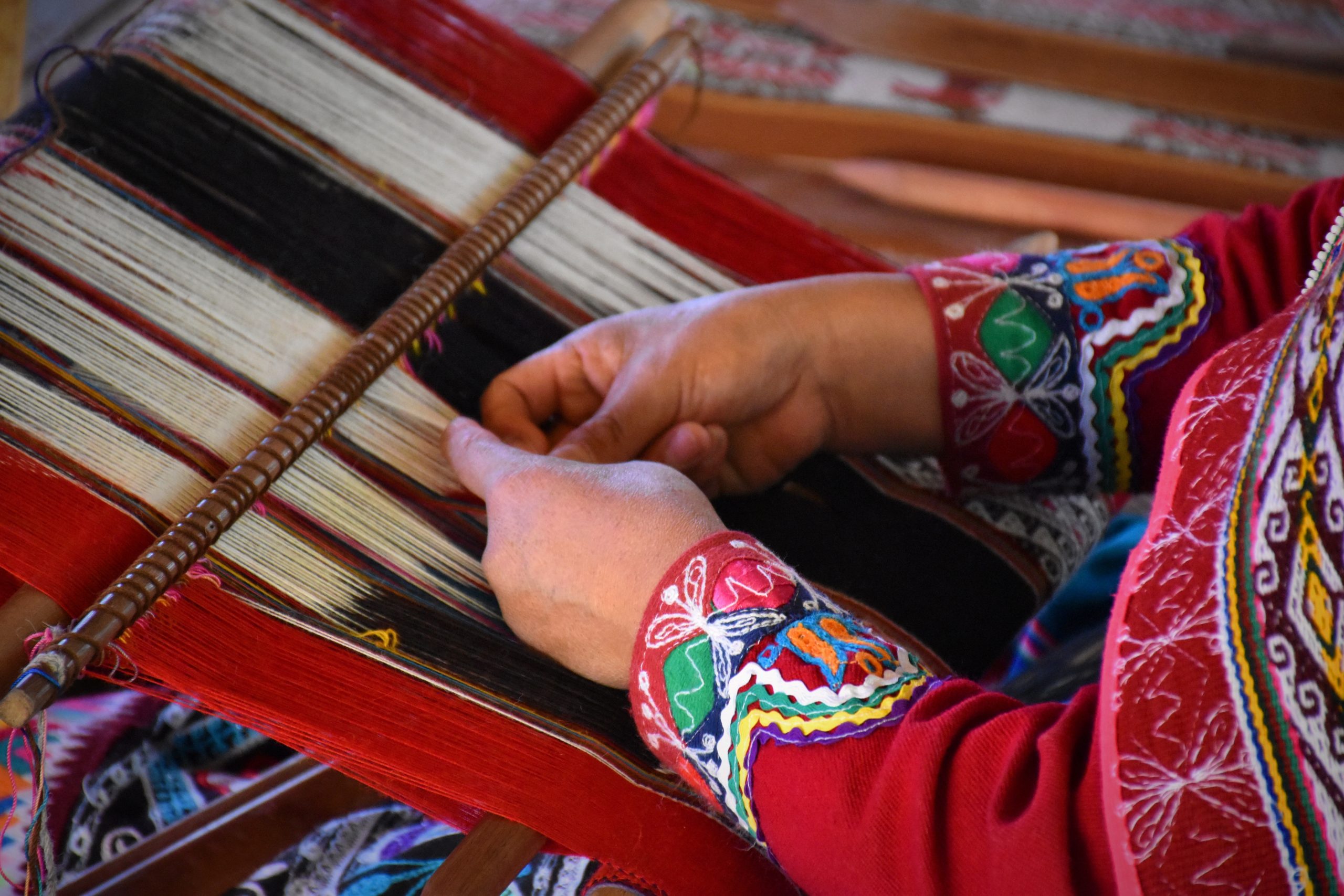
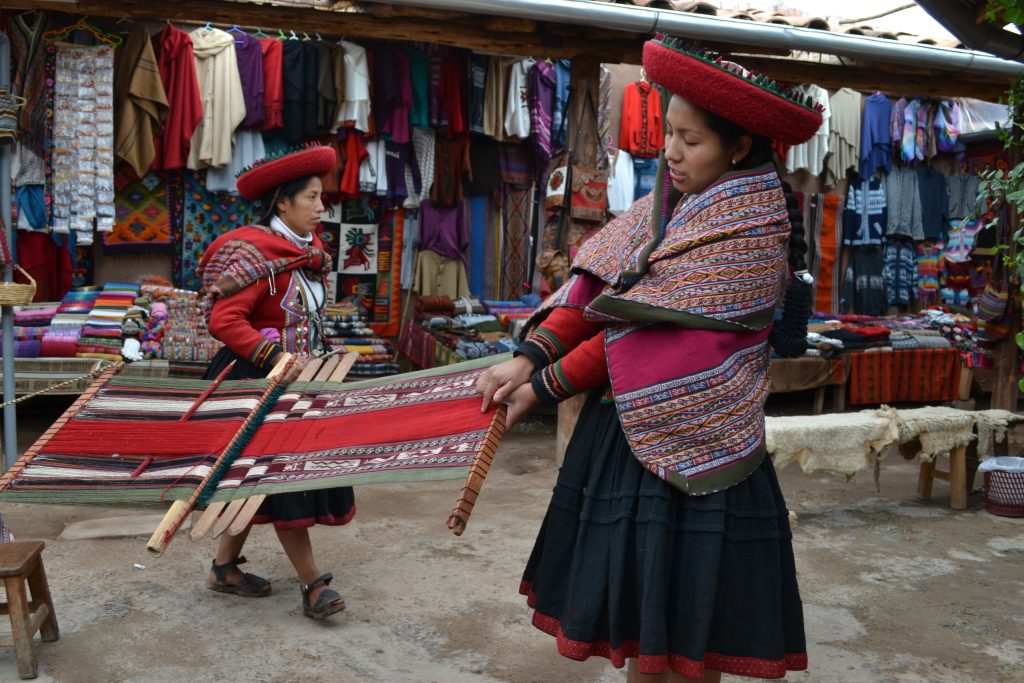
Textiles, historic weaving techniques and livestock breeding were central to Inca and Quechua culture. The traditions and skills handed down through generations are labour-intensive and require extraordinary skill and sophistication, with some products reportedly requiring up to 9 miles of different coloured fibres!. Their sheer complexity led them to be valued more than precious metals during Inca times, and their intrinsic value was used to signify the owner’s prestige, status and power. Indeed, vicuña wool was so highly-prized that only the royal family was permitted to wear it. Consequently, traditional artisanal methods and Quechua culture are so closely interwoven as to be inseparable. Yet as has often been noted, these important Inca traditions are in danger of disappearing with the rise of cheaper, machine-made alternatives, where fast fashion facilitates the purchase of more for less, and undercuts the livelihood of traditional weaving communities. In recent years, the industry has been undercut by low-value products and counterfeit goods, with up to 57% of present textile imports coming from China. This machine production of Peruvian textiles also raises concerns about the authenticity of the products. As noted previously, traditional textiles are often valued not only for their aesthetic appeal but also for the cultural stories and meanings they carry. Mechanised production strips the products of these cultural nuances, as the personal touch and cultural insights of individual artisans are stripped from the production process. This leads to the simplification and stereotyping of a diverse and complex heritage; the rich tapestry of Quechua traditions, languages, and customs is reduced to a narrow and superficial representation that aligns with market expectations, but fails to capture the true depth and diversity of the culture. For generations, the culturally-rich knowledge system of the Peruvian textile tradition has provided empowerment and voice to the indigenous population, perhaps most of all for the women; if these practices are made unsustainable, and if new generations are not incentivised to learn the skills, then the trade will die out, and with it a core part of Quechua culture.

Whilst millions of dollars enter Peru, the money fails to reach the hands of local communities facing the consequences of globalisation and competition, and this imbalance contributes to the marginalisation of the very people whose culture is being commodified. Whilst superficial elements of Quechua culture are exploited for economic purposes, fundamental Quechua language, land and cultural rights are historically and presently overlooked. Tellingly, not until the 2017 census were Peruvians asked whether they identify with any one of 50-plus Indigenous groups, and whilst Quechua is the native tongue for millions, and has been an official language since 1975, little is done for its promotion. In fact, as evidence suggests, ‘Even in Cusco, which is predominantly a city of indigenous people, they also discriminate a lot against people from rural communities because of the way they dress, their skin, their education, the way they speak’, with many families hesitant to pass Quechua on to their children for fear of discrimination. Persistent racist attitudes at the heart of the establishment were acknowledged by 81% of the population in 2018, and were also laid bare during the 2023 protests with politicians using openly racist language towards indigenous populations. In educational terms too, there is a huge gap between urban and rural populations: ‘33.7% of women and 10.9% of men are illiterate in rural areas, in comparison to 7.4% of women and 2.4% of women in urban areas… only a third of Peruvians completely agree that education services adapt to the customs or traditions of their students’. The urban-rural divide is also key to understanding the lack of youth development programs for the rural indigenous population. Poverty rates affect 44.4% of the rural population, compared to only 15.1% of urban population. Food insecurity is chronic in rural areas, and life expectancy can be up to 20 years less than for urban counterparts. Yet paradoxically those who need development support the most are the least likely to receive it: with 75% of Peruvians living in urban areas, rural indigenous communities largely miss out on government development programs, and struggle to break out of the cycle of poverty.

These issues raise the question as to how to counteract the harm done. To combat the decline of traditional Incan textiles, it is crucial to support local artisans and their time-honoured craftsmanship. Establishing fair trade practices ensures that artisans receive just compensation for their intricate work. Presently, many Quecha communities in Peru do not receive fair prices for their textiles. Isolated rural communities lack direct market access, and often sell textiles at below production costs to local middlemen, destroying the social and cultural fabric of these communities. Initiatives such as that by LAFF’s partner organisation Mosqoy work with Quechua weavers to keep their art and culture alive through the revitalization of authentic handwoven textiles using natural fibres and dyes. Educational initiatives should be implemented to teach Quechua language and customs in schools, fostering a sense of pride and identity among younger generations. Collaborative efforts between government bodies and indigenous communities can establish cultural centres, providing a space for traditional practices, art, and storytelling. Additionally, advocating for policies that protect indigenous rights and land tenure ensures the continuity of Quechua communities. Ultimately, a combination of education, cultural promotion, economic support, and legal safeguards can work together to safeguard the rich heritage of Quechua culture.

La comercialización de la cultura quechua y sus consecuencias para los indígenas peruanos

La difícil situación de las comunidades indígenas es desde hace tiempo un tema de gran importancia en Perú. Como se ha señalado anteriormente en el blog del LAFF, las protestas del año pasado pusieron de manifiesto la frustración por la forma en que el sistema político favorece a las élites urbanas adineradas, mientras que descuida los intereses de las poblaciones indígenas rurales. Esta desatención es de gran alcance: informes y estudios han señalado la persistencia de las perforaciones petrolíferas en las tierras de los indígenas peruanos, y han descrito cómo la consiguiente contaminación por petróleo ha dañado profundamente la vida y los medios de subsistencia de los indígenas. Además, la capacidad de estas comunidades para impedirlo es limitada, pues en comparación con sus países vecinos, Ecuador y Bolivia, los indígenas peruanos llevan mucho tiempo luchando por conseguir una influencia política significativa. En línea con este tema, este blog hablará de la explotación de la cultura tradicional quechua, argumentando que este fenómeno se produce con demasiada frecuencia sin compensar adecuadamente a las comunidades indígenas que son las legítimas administradoras de estas expresiones culturales.

El turismo en Perú es el tercer contribuyente más importante a la economía peruana, ya que atrae a más de 4 millones de turistas al año y aporta aproximadamente el 7% del PIB. Uno de los principales atractivos para los turistas extranjeros es el legado cultural de los incas, transmitido a través de sus edificios, su artesanía y su gente: los viajeros quedan maravillados ante los bellos vestigios de ciudades y pueblos antiguos, los tejidos, ornamentos y piezas de joyería vibrantes, y la cultura actual del pueblo quechua. Machu Picchu, considerado por muchos la joya de la corona de su viaje a Perú, atrae cada año a más de 1,5 millones de turistas, la mayoría de ellos envueltos en tejidos, jerseys, ponchos o baratijas peruanos. La cultura inca, preinca y quechua moderna es, por tanto, de vital importancia para la industria turística peruana y, por asociación, para su economía. Sin embargo, aunque la esencia de estas culturas las convierte en un producto irresistible para los turistas, su comercialización excesiva ha provocado una serie de inconvenientes y efectos nocivos importantes, lo que ha creado preocupaciones y dificultades para su protección y conservación.

Esta pérdida de control sobre la representación y difusión de la cultura quechua pasa de los miembros de la comunidad a entidades externas, puede dar lugar a una distorsión de la narrativa de la cultura, ya que las decisiones sobre cómo se presenta y se comercializa son tomadas por personas o empresas que pueden no comprender o respetar plenamente los matices y el significado culturales. Al mismo tiempo, las empresas grandes textiles que comercian a costa de la antigua cultura quechua perjudican a los artesanos y tejedores tradicionales; estas empresas y otros empresarios externos explotan los diseños tradicionales sin compensar adecuadamente a las comunidades indígenas herederas de esta cultura.

Los textiles, las técnicas históricas de tejido y la cría de ganado fueron fundamentales para la cultura inca y quechua. Las tradiciones y técnicas transmitidas de generación en generación exigen una gran cantidad de mano de obra y una habilidad y sofisticación extraordinarias, y se dice que algunos productos requieren hasta 9 millas de fibras de colores diferentes. Su complejidad enorme hizo que en la época de los incas se valoraran más que los metales preciosos, y su valor intrínseco se utilizaba para significar el prestigio, el estatus y el poder del propietario. De hecho, la lana de vicuña era tan apreciada que sólo la familia real podía vestirla. En consecuencia, los métodos artesanales tradicionales y la cultura quechua están tan estrechamente entrelazados que resultan inseparables. Sin embargo, como se ha señalado a menudo, estas importantes tradiciones incas corren peligro de desaparecer con el auge de alternativas más baratas, fabricadas a máquina, donde la moda rápida facilita la compra de más por menos, y socava el sustento de las comunidades tejedoras tradicionales. En los últimos años, la industria se ha visto perjudicada por productos de bajo valor y falsificaciones, y hasta el 57% de las importaciones textiles actuales proceden de China. Esta producción mecanizada de textiles peruanos también suscita dudas sobre la autenticidad de los productos. Como ya se ha señalado, los tejidos tradicionales suelen valorarse no sólo por su atractivo estético, sino también por las historias y significados culturales que encierran. La producción mecanizada despoja a los productos de estos matices culturales, ya que el toque personal y los conocimientos culturales de los artesanos individuales se eliminan del proceso de producción. Esto conduce a la simplificación y estereotipación de un patrimonio diverso y complejo; el rico tapiz de tradiciones, lenguas y costumbres quechuas se reduce a una representación estrecha y superficial que se ajusta a las expectativas del mercado, pero no capta la verdadera profundidad y diversidad de la cultura. Durante generaciones, el sistema de conocimientos culturalmente rico de la tradición textil peruana ha proporcionado poder y voz a la población indígena, quizás sobre todo a las mujeres; si estas prácticas se hacen insostenibles, y si no se incentiva a las nuevas generaciones a aprender las habilidades, entonces el comercio se extinguirá, y con él una parte fundamental de la cultura quechua.

Mientras millones de dólares entran en Perú, el dinero no llega a las manos de las comunidades locales que se enfrentan a las consecuencias de la globalización y la competencia, y este desequilibrio contribuye a la marginación de las mismas personas cuya cultura se está mercantilizando. Mientras se explotan elementos superficiales de la cultura quechua con fines económicos, los derechos fundamentales de los quechuas a la lengua, la tierra y la cultura se pasan por alto histórica y actualmente. Resulta revelador que hasta el censo de 2017 no se preguntara a los peruanos si se identificaban con alguno de los más de 50 grupos indígenas, y aunque el quechua es la lengua materna de millones de personas y es lengua oficial desde 1975, se hace muy poco por su promoción. De hecho, como sugieren las pruebas, “incluso en Cusco, que es una ciudad predominantemente indígena, también discriminan mucho a las personas de las comunidades rurales por su forma de vestir, su piel, su educación, su forma de hablar”, y muchas familias dudan en transmitir el quechua a sus hijos por miedo a la discriminación. Las actitudes racistas persistentes y fueron reconocidas por el 81% de la población en 2018, y también quedaron al descubierto durante las protestas de 2023, con políticos que utilizaron un lenguaje abiertamente racista hacia las poblaciones indígenas. También en términos educativos, existe una enorme brecha entre las poblaciones urbanas y rurales: “el 33,7% de las mujeres y el 10,9% de los hombres son analfabetos en las zonas rurales, en comparación con el 7,4% de las mujeres y el 2,4% de las mujeres en las zonas urbanas… solo un tercio de los peruanos está completamente de acuerdo con que los servicios educativos se adapten a las costumbres o tradiciones de sus alumnos”. La brecha urbano-rural también es clave para entender la falta de programas de desarrollo juvenil para la población indígena rural. Los índices de pobreza afectan al 44,4% de la población rural, frente a sólo el 15,1% de la población urbana. La inseguridad alimentaria es crónica en las zonas rurales, y la esperanza de vida puede ser hasta 20 años inferior a la de sus homólogos urbanos. Sin embargo, paradójicamente, los que más necesitan ayuda al desarrollo son los que menos probabilidades tienen de recibirla: con el 75% de los peruanos viviendo en zonas urbanas, las comunidades indígenas rurales se quedan en gran medida fuera de los programas de desarrollo del gobierno y luchan por salir del círculo de la pobreza.

Estos problemas plantean la cuestión de cómo contrarrestar el daño causado. Para combatir el declive de los tejidos tradicionales incas, es crucial apoyar a los artesanos locales y su artesanía ancestral. Establecer prácticas de comercio justo garantiza que los artesanos reciban una compensación justa por su intrincado trabajo. En la actualidad, muchas comunidades quechuas de Perú no reciben precios justos por sus tejidos. Las comunidades rurales aisladas carecen de acceso directo al mercado, y a menudo venden los textiles por debajo de los costes de producción a intermediarios locales, destruyendo el tejido social y cultural de estas comunidades. Iniciativas como la de Mosqoy, organización asociada de LAFF, trabajan con tejedores quechuas para mantener vivo su arte y su cultura mediante la revitalización de auténticos tejidos a mano con fibras y tintes naturales. Deberían ponerse en marcha iniciativas educativas para enseñar la lengua y las costumbres quechuas en las escuelas, fomentando un sentimiento de orgullo e identidad entre las generaciones más jóvenes. La colaboración entre organismos públicos y comunidades indígenas puede servir para crear centros culturales que ofrezcan un espacio para las prácticas tradicionales, el arte y la narración de cuentos. Además, la defensa de políticas que protejan los derechos indígenas y la tenencia de la tierra garantiza la continuidad de las comunidades quechuas. En definitiva, una combinación de educación, promoción cultural, apoyo económico y protecciones jurídicas puede contribuir a salvaguardar el rico patrimonio de la cultura quechua.

Introduction

Living in Cuzco and volunteering with LAFF has been an incredible experience so far. I have worked with some fantastic people and had the opportunity to go and visit many cool places in the city and the Sacred Valley. Coming here for a longer period of time, rather than just travelling through, has allowed me to really engage with the area and not lose sight of the incredible people living here, as well as discover sustainable tourism as a feasible option for the future. I have chosen the topic of sustainable tourism as I believe that this is not only an important topic of interest, within the context of the current climate crises, but it also relates to my own experience in Cuzco and previous experience living and volunteering in Paraguay. I think that being a tourist nowadays does require some sort of understanding of the effects of travel on our surroundings, and so I am wanting to explore how this can be practised in an affordable and realistic way. 

What is Sustainable Tourism?

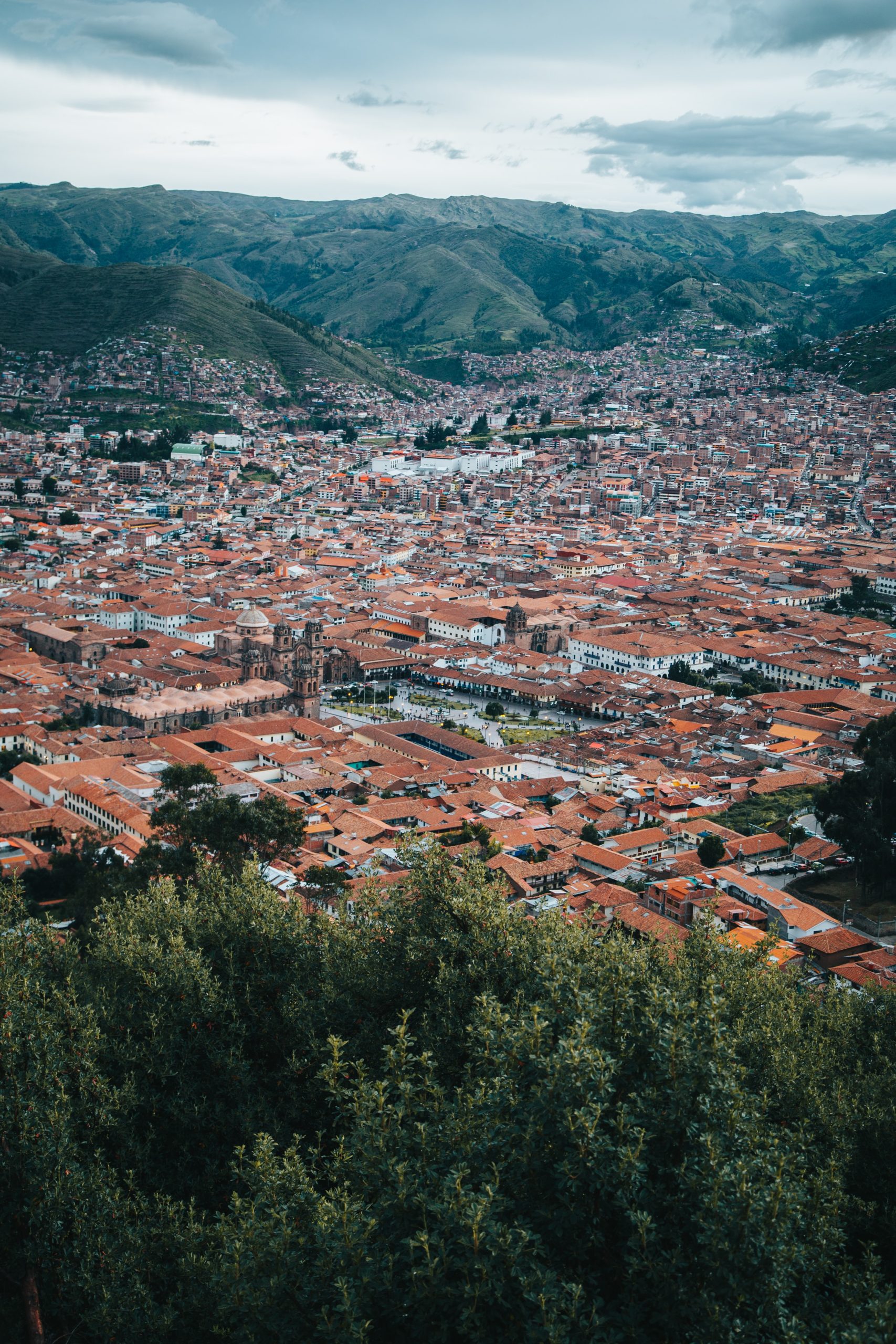
Sustainable tourism has been described in various ways. The World Tourism Organisation defines it as ‘tourism that takes full account of its current and future economic, social and environmental impacts, addressing the needs of visitors, the industry, and host communities’ (1). Further, it encompasses ‘environmental awareness, and conserves and protects the environment, respects wildlife, as well as cultural diversity, and improves the welfare and livelihoods of local communities by supporting their local economies and the human and natural environment as a whole’ (2). This is particularly relevant within this region. Sites like Machu Picchu receive approximately 1.5 million visitors annually and so the positive and negative impacts of global tourism can be seen clearly within Perú. The country further advertises different types of tourism, including jungle visits, cultural visits to the Sacred Valley and coastal visits. This means that tourism has a wide-ranging impact on the economy, culture and environment of Perú and therefore sustainable tourism relates heavily to the country’s future.

Types

Perhaps one of the most known forms of sustainable tourism is Ecotourism; this is a concept which has been described by Fennell as a ‘sustainable form of natural resource-based tourism that focuses primarily on experiencing and learning about nature, and which is ethically managed to be low-impact, non-consumptive and locally-oriented’ (3), whilst the Global Ecotourism Network states it as ‘responsible travel to natural areas that conserves the environment and sustains the well-being of the local people’ (4). This may include the money raised from visiting natural places being directly invested into the protection of local ecosystems. This has been hailed as being positive as it allows tourists to contribute directly to conservation and the local communities’ economy. Examples of this type of sustainable tourism can be seen in places such as Puerto Maldonado or Iquitos in Perú, where tourists can volunteer their time in conservation and observe animals in an untouched environment. Yet, many have argued that this form of tourism poses a serious barrier to achieving complete sustainability within conservation and wildlife care, by disrupting natural eating and breeding patterns of wildlife. Whilst ecotourism may hold some benefits, such as directly funding the conservation and protection of endangered animals, there still remain aspects to be explored. 

If you are wanting a trip into nature in Perú, whether that be to volunteer at an animal sanctuary or visit natural areas of beauty, it is vital to ensure that this actually helps and that the money raised goes directly towards conservation. The International Ecotourism Society is one such organisation which may help to identify sustainable travel destinations where the animals are prioritised and human impact minimal.

How can we practise it?

There are many ways to ensure that we are practising sustainable tourism, if like me you are wanting to travel and also help our surroundings. One of the many methods of support, which I attempt to practise, is buying from local businesses. In particular, buying locally-made crafts and souvenirs ensures the contribution to the economy will have a more direct and positive impact through supporting authentic cultural heritage. I know that sometimes these crafts may be more expensive, but wherever we can help is amazing! For example, head out to Chinchero (about 30km from Cuzco) where you can see traditional weaving of garments and support the local community by purchasing locally-made items such as gloves or ponchos. As well as trying to use more low-carbon public transport systems such as local buses wherever possible and avoiding single-use plastic, even tour operators can be analysed to ensure you are travelling with the correct company. One of LAFF’s partner organisations, Mosqoy, focuses particularly on the empowerment of local Quechua culture through textiles and allows tourists to visit and understand a traditional way of life in the Andes in a respectful and positive way. Mosqoy also values autonomy and independence for the textile-makers and ensuring the communities receive a fair price for their work. Whilst this may seem overwhelming, engaging with an organisation like this can go a long way in helping our planet when travelling. 

Slow Travel

With rising environmental awareness, recognition of slow tourism within the sustainable tourism industry has also increased. Dickinson argues that slow travel focuses not only on low-carbon modes of transportation but also on participation in relatively slower forms of travel for the sake of exploring local communities, history and culture (5). Timms and Conway have described it as encompassing three aspects of sustainability (6), of which socio-cultural and economic are particularly relevant for Cuzco, as tourists can help to financially maintain the social and cultural authenticity of the Sacred Valley and the region by supporting community-based tourism through purchasing locally-sourced food, locally-made souvenirs and joining ethical tours. This concept also motivates travellers to decrease their travel frequency, stay longer at their destination and take a favourable approach towards resources.

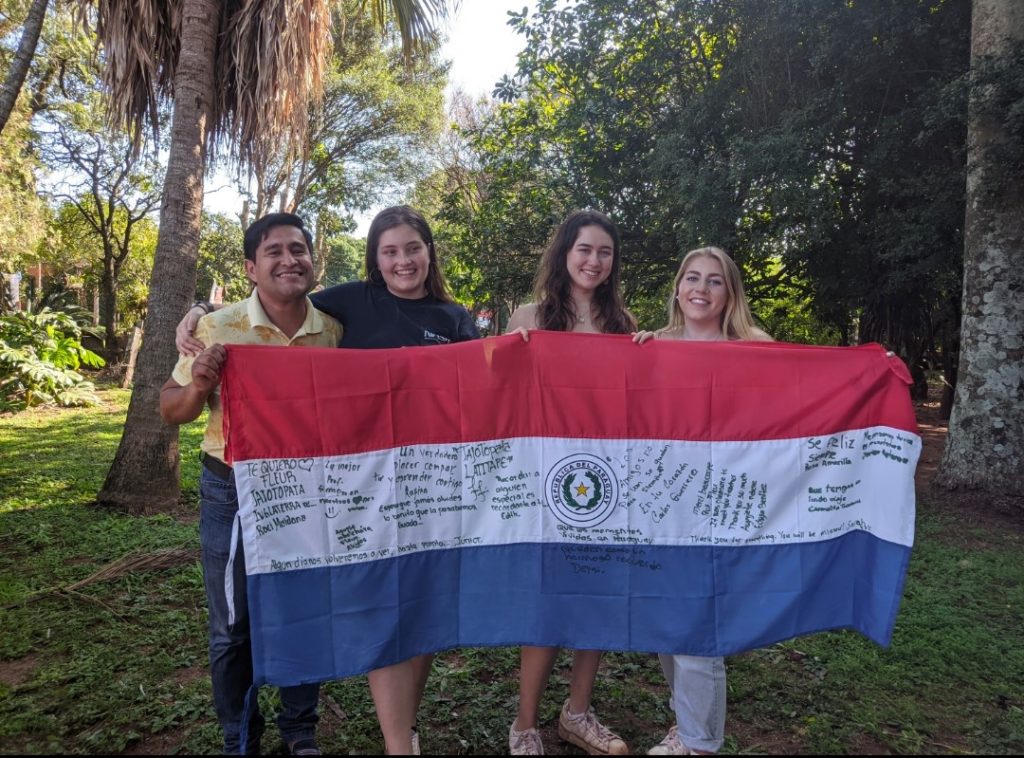
I personally hadn’t heard of slow travel until recently and I was interested in understanding how it can be practised and its benefits. I chose to live in Paraguay for 5 months last year as part of my Year Abroad and as a result I was able to fully appreciate the benefits, to not only myself but also the community and the environment. Volunteering through teaching English and living with a host family allowed me to fully understand the importance of local culture and traditions, rather than travelling through quickly and abruptly. I also tried to ensure I was taking the best means of public transport possible to visit more local attractions. Whilst I understand that this is not possible for everyone, the experience I had whilst living in one place rather than travelling through quickly was an unforgettable experience. This also fueled my desire to revisit South America and experience life more profoundly in another country. Perú has always been on my list of dream countries to visit so when I was researching the best way to come, volunteering at a charity like LAFF quickly became a fantastic option for me. I knew it would allow me to fully immerse myself in the culture of Perú as well as be able to understand how to financially and responsibly contribute to the local economy and the region. If the opportunity ever arises to visit a place in this way, I would definitely recommend it. 

As seen, if you are wanting to travel more sustainably, volunteering abroad with a charity like LAFF could be a perfect opportunity to practise this. Say you want to spend a couple months in Perú but want to experience more of the culture and reduce your environmental impact at the same time, offering your time to a charity like LAFF can ensure that you are making a positive, rather than negative difference. Working for a charity like LAFF which also values partnership with established local organisations, ensuring a higher quality of educational programmes and efficiency with what we do, can ensure that you are giving back to the community in which you are living in a way that is not at the expense of those living there. I have personally loved my experience living and working in Cuzco so far, as the location offers many opportunities for travelling slowly to local hikes and attractions, and LAFF has enabled me to fully engage with local communities and people and understand the culture in a more authentic way. 

Travelling sustainably can be difficult, and it is oftentimes easier to travel how we are used to travelling. There may be financial or time constraints, however only a few changes may have a large impact on the environment we are visiting. If you are interested in practising sustainable tourism on your next visit to South America, perhaps volunteering with a charity like LAFF could be a good place to start.

Turismo sostenible: Garantizar el futuro de nuestro planeta durante las vacaciones 

La Introducción

Vivir en Cuzco y ser voluntario con LAFF ha sido una experiencia increíble hasta ahora. He trabajado con gente fantástica y he tenido la oportunidad de visitar muchos lugares interesantes de la ciudad y del Valle Sagrado. Venir aquí durante un periodo de tiempo más largo, en lugar de simplemente viajar, me ha permitido comprometerme realmente con la zona y no perder de vista a las personas increíbles que viven aquí, así como descubrir el turismo sostenible como una opción viable para el futuro. He elegido el tema del turismo sostenible porque creo que no sólo es un tema de interés importante, en el contexto de la actual crisis climática, sino que también está relacionado con mi propia experiencia en Cuzco y con mi experiencia previa de vida y voluntariado en Paraguay. Creo que ser turista hoy en día requiere algún tipo de comprensión de los efectos del viaje en nuestro entorno, por lo que quiero explorar cómo se puede practicar de una manera asequible y realista.

¿Qué es el turismo sostenible? 

El turismo sostenible se ha descrito de formas diversas. La Organización Mundial del Turismo lo define como “el turismo que tiene plenamente en cuenta sus repercusiones económicas, sociales y medioambientales actuales y futuras, atendiendo a las necesidades de los visitantes, la industria y las comunidades anfitrionas” (1). Además, engloba “la conciencia medioambiental, y conserva y protege el medio ambiente, respeta la fauna y la flora, así como la diversidad cultural, y mejora el bienestar y los medios de vida de las comunidades locales apoyando sus economías locales y el entorno humano y natural en su conjunto” (2). Esto es especialmente relevante en esta región. Lugares como Machu Picchu reciben aproximadamente 1,5 millones de visitantes al año, por lo que las repercusiones positivas y negativas del turismo mundial pueden verse claramente en Perú. Además, el país anuncia diferentes tipos de turismo, como visitas a la selva, visitas culturales al Valle Sagrado y visitas a la costa. Esto significa que el turismo tiene un impacto amplio en la economía, la cultura y el medio ambiente de Perú y, por tanto, el turismo sostenible está muy relacionado con el futuro del país.

Tipos

Tal vez una de las formas más conocidas de turismo sostenible sea el ecoturismo, un concepto descrito por Fennell como “una forma sostenible de turismo basado en los recursos naturales que se centra principalmente en experimentar y aprender sobre la naturaleza, y que se gestiona éticamente para tener un bajo impacto, no consumir y estar orientado a lo local” (3), mientras que la Red Mundial de Ecoturismo lo define como “un viaje responsable a zonas naturales que conserva el medio ambiente y mantiene el bienestar de la población local” (4). Esto puede incluir que el dinero recaudado por visitar lugares naturales se invierta directamente en la protección de los ecosistemas locales. Esto se ha considerado positivo, ya que permite a los turistas contribuir directamente a la conservación y a la economía de las comunidades locales. Ejemplos de este tipo de turismo sostenible pueden verse en lugares como Puerto Maldonado o Iquitos, en Perú, donde los turistas pueden dedicar su tiempo como voluntarios a la conservación y observar animales en un entorno natural. Sin embargo, muchos sostienen que esta forma de turismo supone un obstáculo serio para lograr una sostenibilidad completa en el ámbito de la conservación y el cuidado de la vida salvaje, al alterar los patrones naturales de alimentación y reproducción de la fauna. Aunque el ecoturismo puede tener algunas ventajas, como financiar directamente la conservación y protección de animales en peligro, aún quedan aspectos por explorar.

Si deseas realizar un viaje a la naturaleza en Perú, ya sea para trabajar como voluntario en un santuario de animales o visitar parajes naturales de gran belleza, es importante asegurarse de que realmente ayuda y de que el dinero recaudado se destine directamente a la conservación. La Sociedad Internacional de Ecoturismo es una organización que puede ayudar a identificar destinos turísticos sostenibles donde se dé prioridad a los animales y el impacto humano sea mínimo.

¿Cómo podemos practicarlo?

Hay muchas formas de asegurarse de que practicamos un turismo sostenible, si como yo quieres viajar y además ayudar a nuestro entorno. Uno de los muchos métodos de ayuda, que intento practicar, es comprar en negocios locales. En particular, comprar artesanía y recuerdos fabricados localmente garantiza que la contribución a la economía tendrá un impacto más directo y positivo al apoyar el auténtico patrimonio cultural. Sé que a veces estas artesanías pueden ser más caras, ¡pero siempre que podamos ayudar es increíble! Por ejemplo, en el pueblo de Chinchero (a unos 30 km de Cuzco), podrá ver el tejido tradicional de prendas de vestir y apoyar a la comunidad local comprando artículos de fabricación local, como guantes o ponchos. Además de intentar utilizar más sistemas de transporte público con bajas emisiones de carbono, como los autobuses locales, siempre que sea posible, y evitar el plástico de un solo uso, incluso se pueden analizar los operadores turísticos para asegurarse de que se viaja con la compañía correcta. Mosqoy, una de las organizaciones asociadas al LAFF, se centra especialmente en la potenciación de la cultura quechua local a través de los textiles y permite a los turistas visitar y comprender un modo de vida tradicional de los Andes de forma respetuosa y positiva. Mosqoy también valora la autonomía e independencia de los textileros y garantiza que las comunidades reciban un precio justo por su trabajo. Aunque pueda parecer abrumador, colaborar con una organización como ésta puede ayudar mucho a nuestro planeta cuando viajamos.

Slow Travel

Con el aumento de la conciencia medioambiental, también ha aumentado el reconocimiento del slow travel dentro de la industria del turismo sostenible. Dickinson sostiene que el slow travel se centra no sólo en los medios de transporte con bajas emisiones de carbono, sino también en la participación en formas de viaje relativamente más lentas en aras de la exploración de las comunidades locales, la historia y la cultura (5). Timms y Conway lo han descrito como un concepto que engloba tres aspectos de la sostenibilidad (6), de los cuales el sociocultural y el económico son especialmente relevantes para Cuzco, ya que los turistas pueden ayudar a mantener económicamente la autenticidad social y cultural del Valle Sagrado y la región apoyando el turismo comunitario mediante la compra de alimentos de origen local, recuerdos fabricados localmente y la participación en excursiones éticas. Este concepto también motiva a los viajeros a disminuir la frecuencia de sus viajes, permanecer más tiempo en su destino y adoptar una actitud favorable hacia los recursos.

Yo personalmente no había oído hablar del slow travel hasta hace poco y me interesaba saber cómo se puede practicar y cuáles son sus beneficios. El año pasado decidí vivir 5 meses en Paraguay como parte de mi Año en el Extranjero y, gracias a ello, pude apreciar plenamente sus beneficios, no sólo para mí, sino también para la comunidad y el medio ambiente. Trabajar como voluntario enseñando inglés y viviendo con una ‘familia local’ me permitió comprender plenamente la importancia de la cultura y las tradiciones locales, en lugar de viajar de forma rápida y brusca. También intenté asegurarme de tomar el mejor medio de transporte público posible para visitar más atracciones locales. Aunque comprendo que esto no es posible para todo el mundo, la experiencia de vivir en un lugar en vez de viajar deprisa fue inolvidable. Esto también alimentó mi deseo de volver a Sudamérica y experimentar la vida más profundamente en otro país. Perú siempre ha estado en mi lista de países soñados para visitar, así que cuando estaba investigando la mejor manera de venir, el voluntariado en una organización benéfica como LAFF se convirtió rápidamente en una opción fantástica para mí. Sabía que me permitiría sumergirme por completo en la cultura de Perú, así como comprender cómo contribuir financiera y responsablemente a la economía local y a la región. Si alguna vez se presenta la oportunidad de visitar un lugar de esta manera, sin duda lo recomiendo.

Como se ha visto, si quieres viajar de forma más sostenible, el voluntariado en el extranjero con una organización benéfica como LAFF puede ser una oportunidad perfecta para ponerlo en práctica. Digamos que quieres pasar un par de meses en Perú, pero quieres experimentar más de la cultura y reducir tu impacto ambiental al mismo tiempo, ofrecer tu tiempo a una organización benéfica como LAFF puede asegurar que estás haciendo una diferencia positiva, en lugar de negativa. Trabajar para una organización benéfica como LAFF que también valora la asociación con organizaciones locales establecidas, asegurando una mayor calidad de los programas educativos y la eficiencia con lo que hacemos, puede asegurar que usted está devolviendo a la comunidad en la que estás viviendo de una manera que no es a expensas de los que viven allí. Personalmente, me ha encantado mi experiencia de vivir y trabajar en Cuzco hasta ahora, ya que el lugar ofrece muchas oportunidades para viajar despacio a excursiones y atracciones locales, y LAFF me ha permitido comprometerme plenamente con las comunidades y personas locales y entender la cultura de una manera más auténtica.

Viajar de forma sostenible puede ser difícil, y a menudo es más fácil viajar como estamos acostumbrados. Puede haber limitaciones económicas o de tiempo, pero unos pocos cambios pueden tener un gran impacto en el entorno que visitamos. Si estás interesado en practicar el turismo sostenible en tu próxima visita a Sudamérica, quizá el voluntariado con una organización benéfica como LAFF sea un buen punto de partida.

Celebrating Culture – June, the Jubilee Month, in Cusco

Volunteering at LAFF during the month of June has been an amazing opportunity to immerse myself in the cultural festivities and discover the ancient traditions of Cusco. Perhaps the most beautiful and vibrant month of the year, the sunny but cold winter weather coincides with the June festivals that hold immense cultural and social significance for the local community.

These festivals provide an opportunity for locals to express their pride in their heritage, preserve their cultural identity, and pass on traditions to future generations. The celebrations foster a sense of unity, community cohesion, and solidarity among the residents of Cusco.

As I have learned, the history spans centuries. Many of these celebrations have their roots in pre-Columbian times, where indigenous cultures honoured gods and celebrated agricultural cycles. With the arrival of the Spanish conquistadors in the 16th century, Catholicism was introduced, and the indigenous festivals merged with Christian traditions. This fusion of cultures gave rise to unique celebrations that blend spiritual devotion, music, dance, and colourful costumes.

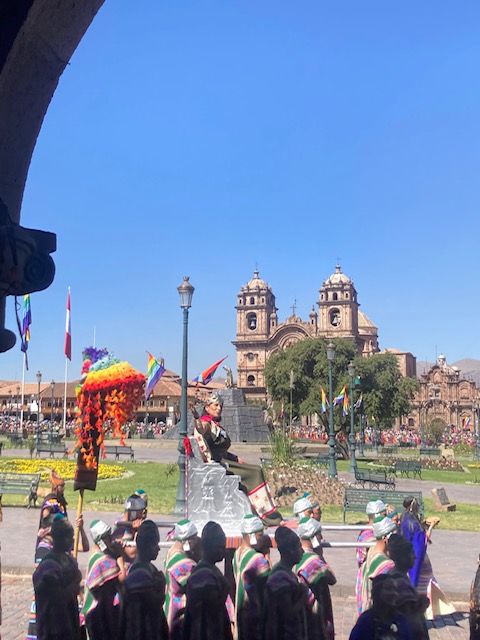
At the pinnacle of the June festivities is Inti Raymi, the Festival of the Sun, and they also celebrate the Day of Cusco and the Day of Farmers on this day. With its origins in the ancient Inca civilization, Inti Raymi pays homage to Inti, the Sun God, and marks the winter solstice. I had the opportunity to witness the grand procession from the historic Qorikancha Temple to the Plaza de Armas, finishing in the Sacsayhuamán fortress. Dressed in vibrant traditional attire, the participants recreate ancient rituals, including offerings, music, and dances. 

The son of the Sun God and his wife, la Coya.

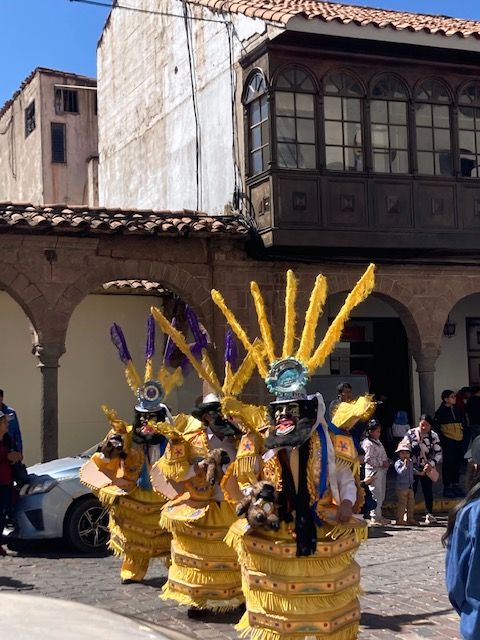
Another highlight was the colourful Corpus Christi celebration. Rooted in Catholicism but infused with indigenous customs, this festival showcases the vibrant cultural fusion that defines Cusco. Elaborate processions take place, with adorned saints, ornate floats, and lively music filling the streets. The atmosphere was electric as locals and visitors gathered to witness this unique blend of religious devotion, folklore, and artistic expression.

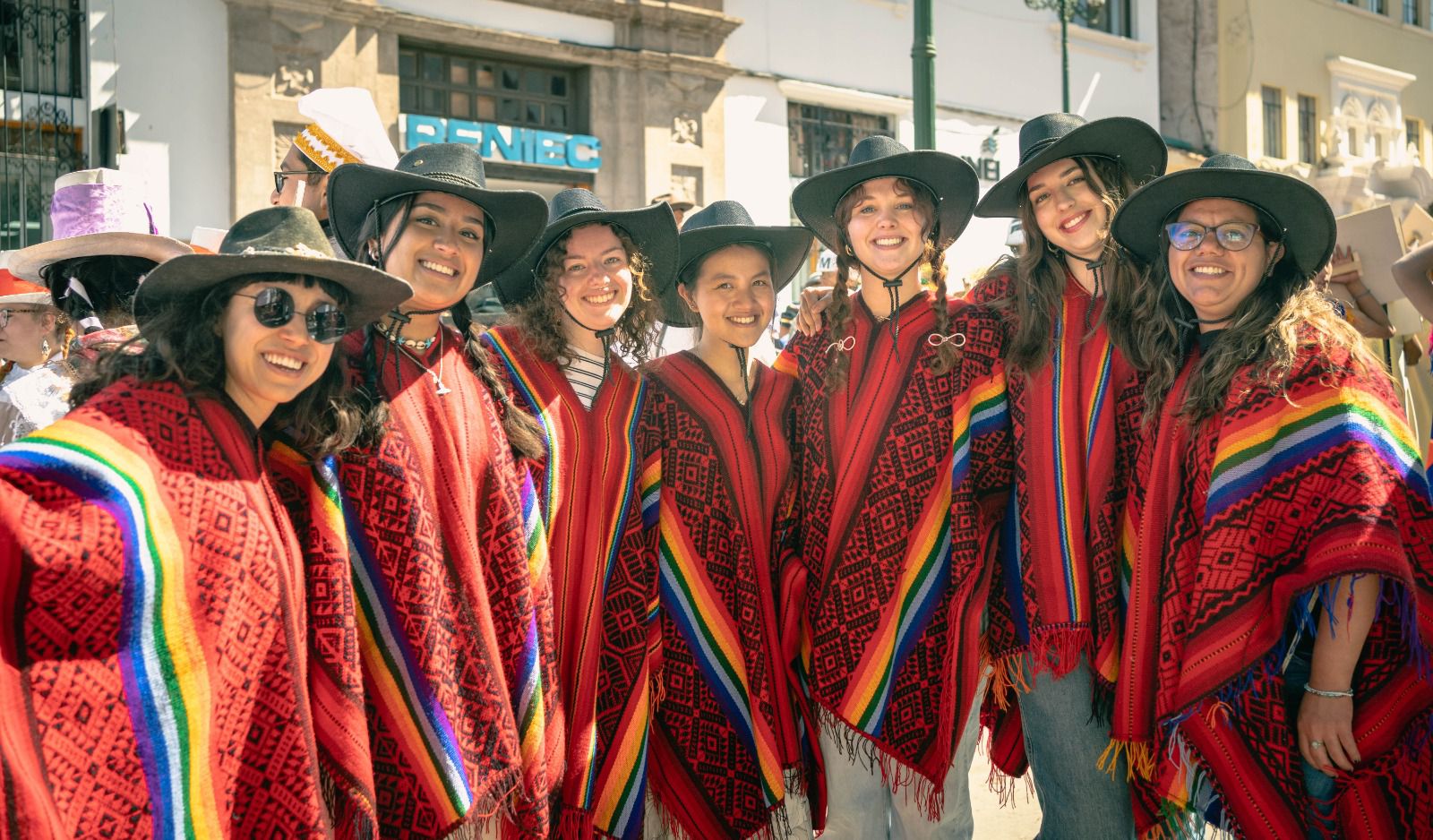
Enjoying the celebrations of Inti Raymi and Corpus Christi was certainly a unique experience, but my most memorable moment of June was being able to take part in a procession myself, with the rest of the LAFF team. We had been invited to participate in the Civic Parade in Cusco by UPE (the Special Protection Unit for Children and Young People). We proudly wore colourful ponchos and it was very interesting to be on the other side of the celebrations, as a participant instead of a spectator, and the joyful atmosphere was the best part.

The LAFF team during the parade in our beautiful ponchos!

The June festivals in Cusco represent a fusion of history and culture. These celebrations demonstrate the resilience and pride of the local community, preserving ancient traditions while adapting to changing times. Participating in the June festivals in Cusco is a great opportunity to immerse yourself in the vibrant cultural tapestry of the region, support the local economy, and be part of a celebration that showcases the spirit of this enchanting city.

Celebrando la Cultura – Junio El Mes Jubilar en Cusco

Ser voluntaria en LAFF durante el mes de junio ha sido una oportunidad increíble para sumergirme en las festividades culturales y descubrir las antiguas tradiciones de Cusco. Posiblemente el mes más hermoso y vibrante del año, el clima soleado pero frío del invierno coincide con los festivales de junio que tienen un inmenso significado cultural y social para la comunidad local.

Estas fiestas ofrecen a los cusqueños la oportunidad de expresar el orgullo que sienten por su patrimonio, preservar su identidad cultural y transmitir las tradiciones a las generaciones futuras. Las celebraciones promueven un sentimiento de unidad, cohesión comunitaria y solidaridad entre los cusqueños.

Como he aprendido, la historia se remonta a siglos. Muchas de estas celebraciones tienen sus raíces en la época precolombina, cuando las culturas indígenas adoraban a los dioses y celebraban los ciclos agrícolas. Con la llegada de los conquistadores españoles en el siglo XVI, se introdujo el catolicismo y las fiestas indígenas se fusionaron con las tradiciones cristianas. Esta fusión de culturas dio lugar a celebraciones únicas que mezclan devoción espiritual, música, danza y coloridos trajes.

La cumbre de las fiestas de junio es el Inti Raymi, la Fiesta del Sol, también en este día se celebra el día del Cusco y del campesino. Con sus orígenes en la antigua civilización inca, el Inti Raymi rinde homenaje a Inti, el dios del Sol, y marca el solsticio de invierno. Tuve la oportunidad de presenciar la gran procesión desde el histórico templo de Qorikancha hasta la Plaza de Armas, para terminar en la fortaleza de Sacsayhuamán. Vestidos con vibrantes trajes tradicionales, los participantes recrean antiguos rituales, que incluyen ofrendas, música y danzas.

El hijo del Dios del Sol y su esposa, la Coya.

Otro punto destacado fue la colorida celebración del Corpus Christi. Con raíces católicas pero impregnada de costumbres indígenas, esta fiesta muestra la vibrante fusión cultural que define a Cusco. Se celebran procesiones muy elaboradas, con santos engalanados, carrozas ornamentadas y música animada que llena las calles. El ambiente fue electrizante, ya que lugareños y visitantes se reunieron para presenciar esta mezcla única de devoción religiosa, folclore y expresión artística.

Disfrutar de las celebraciones del Inti Raymi y Corpus Christi fue sin duda una experiencia única, pero mi momento más memorable de junio fue poder participar en una procesión yo misma, con el resto del equipo de LAFF. Habíamos sido invitados a participar en el Desfile Cívico de saludo al Cusco por la UPE (Unidad de Protección Especial de niños, niñas y adolescentes. Lucíamos con orgullo coloridos ponchos y fue muy interesante estar al otro lado de las celebraciones, como participante en lugar de espectadora, y el ambiente alegre fue la mejor parte.

El equipo de LAFF durante el desfile, ¡en nuestros ponchos bonitos!

Las fiestas de junio en Cusco representan una fusión de historia y cultura. Estas celebraciones demuestran la resistencia y el orgullo de la comunidad local, que preserva tradiciones ancestrales al tiempo que se adapta a los nuevos tiempos. Participar en las fiestas de junio en Cusco es una gran oportunidad para sumergirse en el vibrante tapiz cultural de la región, apoyar la economía local y formar parte de una celebración que muestra el espíritu de esta encantadora ciudad.

Easter Week in Cusco

Here in Peru, Semana Santa is celebrated widely. 

In Cusco, the whole week is taken up by different events and celebrations. First and foremost, churches have their doors open to welcome people. 

On Palm Sunday or Domingo de Ramas, the beginning of Semana Santa, blessings are given. Usually, all churches in the city are open to people, without an admission fee, which means locals and tourists alike can enjoy visiting.

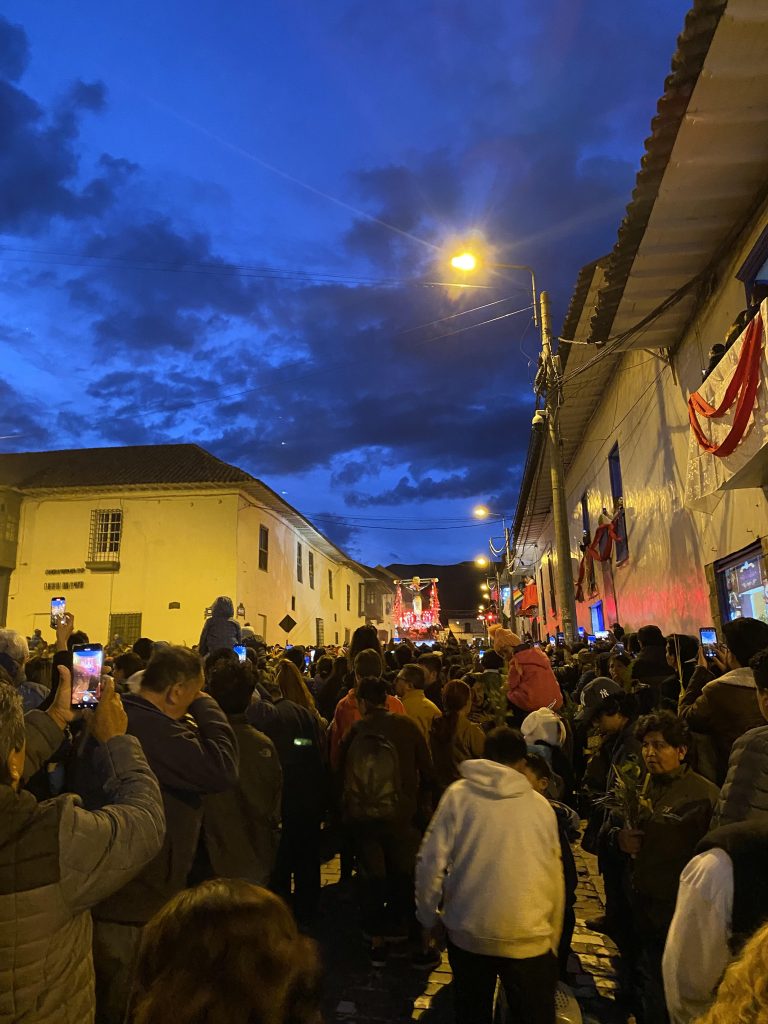
Holy Monday: On this day, there is a famous procession through the streets of Cusco, notably in la Plaza de Armas, and la Plaza San Francisco. Back in 1650, there was an earthquake in Cusco. In an attempt to stop it, people displayed a figure of Christ, to which it stopped. Therefore, every Monday, ‘El señor de los temblores’, is paraded through the city in honour. Hundreds of people wait to see this happen in the main squares and it is one of the biggest events in Cusco of the year.

Holy Friday: known as the day where 12 dishes are prepared, 6 of them being salty and 6 of them being sweet. The number 12 is significant due to the fact that there were 12 disciples. Often, the dishes are made with traditional Andean ingredients such as: corn, potatoes, grains, and different vegetables cultivated in the area. 

The week ends with Good Friday, which is a lot quieter, as people take time to reflect on the crucifixion of Jesus.

Visiting Cusco at this time of year offers an insight into the rich and diverse culture here in Cusco, Perú, and the importance of religious celebrations for the community.

Semana Santa en Cusco

Aquí en Perú, la Semana Santa se celebra ampliamente. 

En Cusco, la semana entera se llena con eventos y celebraciones diferentes. Antes que nada, las iglesias tienen sus puertas abiertas a todo el mundo. 

En el Domingo de Ramos, el inicio de la Semana Santa, se dan bendiciones. Generalmente, todas las iglesias en la ciudad están abiertas a toda la gente, sin entrada, lo que significa que lugareños y turistas puedan disfrutar.

El Lunes Santo: En este día, hay una procesión famosa a través de las calles de Cusco, principalmente en la Plaza de Armas y la Plaza San Francisco. En 1650, hubo un terremoto en Cusco. En un intento de pararlo, la gente sacó en procesión una imagen de Cristo, y el terremoto cesó. Por lo tanto, cada Lunes, ‘El Señor de Los Temblores’ va en procesión por las calles en honor a lo ocurrido. Cientos de personas esperan a verlo pasar en las plazas principales, y es uno de los eventos más grandes del año en Cusco.  

El Viernes Santo: es conocido como un día donde se preparan 12 platos, 6 de ellos siendo salados, y los otros 6 dulces. El número 12 es importante debido a que había 12 discípulos. A menudo, los platos están preparados con los ingredientes tradicionales Andinos como: maíz, papas, granos y vegetales diferentes cultivados en el área. 

La semana termina con el viernes santo, donde la gente toma tiempo para reflexionar sobre la crucifixión de Jesus.

Visitar Cusco en esta época ofrece una visión de la cultura diversa aquí en Cusco, y la importancia de las celebraciones religiosas para la comunidad.

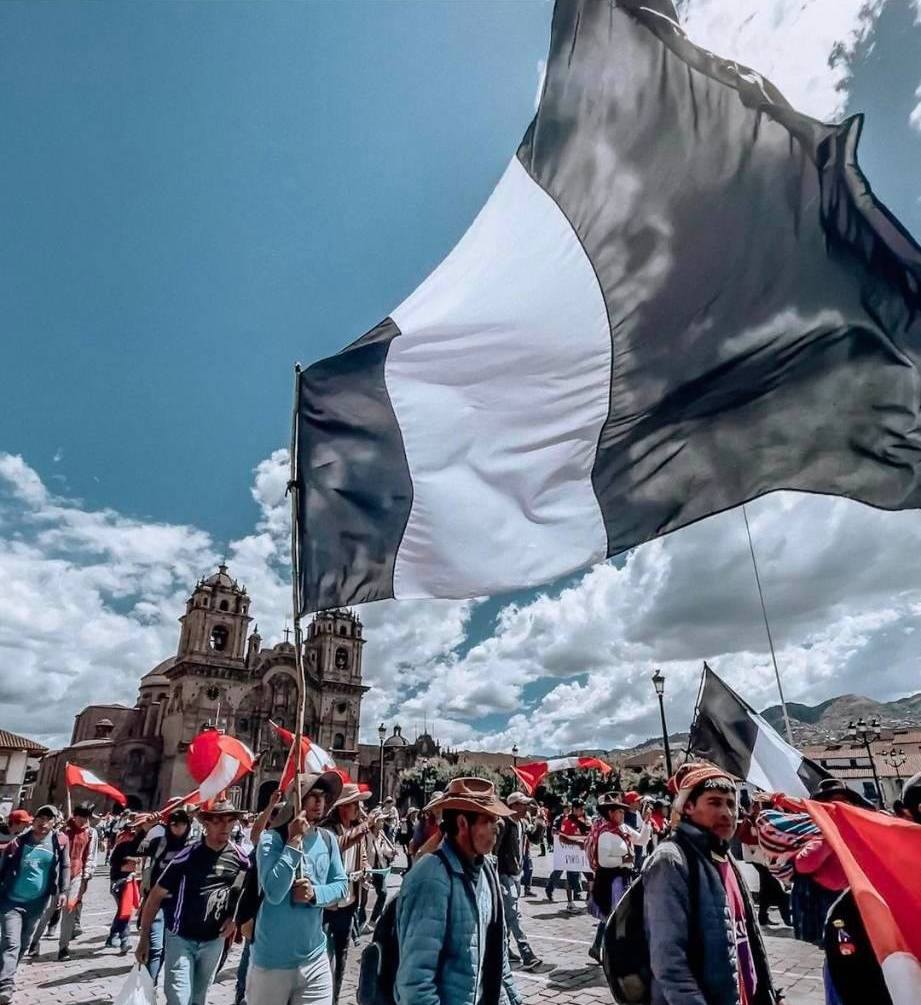
Protesters in the Plaza de Armas, Cusco. Manifestantes en la Plaza de Armas, Cusco.
imagen: @ninoskamontufar

Supporters of LAFF may be aware that Peru has been facing an increased level of civil unrest and political turmoil following events in December 2022.

In early December, Peru’s President, Pedro Castillo, facing allegations of corruption, attempted to dissolve Congress and rule by decree. In response, Congress voted to impeach Castillo and inaugurated his second-in-command, Dina Boluarte, as President. Castillo was arrested and is currently facing charges for rebellion. This crisis sparked widespread unrest across Peru, as protesters  took to the streets in favour of closing Congress and holding new elections. A survey conducted in December by the Instituto de Estudios Peruanos found that 71% of Peruvians disagreed with Boluarte’s decision to assume the presidency, and that 83% felt that holding new elections was the best solution. 

Roadblocks were set up along major highways and public transport systems went on strike. Across Peru, attempts by protesters to invade runways forced multiple regional airports to shut, leaving travellers stranded.

A 30-day state of emergency was declared on the 14th December. Whilst a degree of calm was restored during the festive season, the political crisis remains unsolved and protests have now re-started. Transport links around the country remain unreliable and on Saturday 14th January, the state of emergency was extended for another 30 days in Lima as well as in many southern regions, including Cusco.

For many protesters, the removal of Castillo was a watershed moment that magnified pre-existing discontent with the democratic system in Peru: according to the AmericasBarometer, just 21% of Peruvians were satisfied with their democracy in 2021. Protests have been particularly prevalent in rural areas and in the south, where many Peruvians, particularly those from indigenous communities, feel that the political system favours wealthy elites in the cities and neglects the interests of the rest of the population. The election of Castillo, previously a primary school teacher from rural Cajamarca, created hope that remote areas of Peru would receive more support from Lima. However, many feel that Boluarte, in condemning Castillo and becoming president herself, has betrayed that hope. There is little trust in the new president: Boluarte promised in September that if Castillo were impeached, she would leave the government with him. Just 13% of Peruvians in the South support Boluarte’s presidency, compared to 35% of Limenians.  Protesters are therefore expressing their anger towards both President Boluarte and the entirety of the system that she represents. Increasingly, they are calling for changes to the constitution rather than just new elections.

While the majority of protesters are committed to peaceful demonstrations, a minority have taken the opportunity to commit vandalism. The response of the police and armed forces has often been violent. So far, 65 civilian deaths have been reported as a result of clashes between the police and protesters.*

Protests in Cusco have been frequent and at times violent. The situation is also producing devastating economic loss: the region is currently losing 7 million soles per day (roughly 1.5 million British pounds) as a result of the loss of tourists, who have cancelled their trips to Peru en-masse.

In the week beginning 9th January,  19 protesters were killed during one demonstration in the city of Juliaca, in the south of Peru. An inquiry has now been launched into Dina Boluarte and key ministers, who face charges of “genocide, qualified homicide and serious injuries”. Despite mounting pressure, and the resignation of multiple ministers,  Boluarte has refused to step down from office or announce a plan for constitutional change. New elections for Congress have been fixed for April 2024, a solution which has not satisfied protesters. 

How has this affected LAFF’s work?

In December, LAFF were unable to carry out half of the events that we had planned with our partners due to the blockaded roads. We are, however, committed to making these visits as soon as possible. We are continuing our work whilst the protests take place, by carefully monitoring the situation here in Cusco and adapting our planned activities for the following months where necessary. Our upcoming workshops may be delivered remotely, for example. The in-person team are working from home when the protests disrupt public transport.

LAFF works to increase educational opportunities for children and young people from marginalised backgrounds, and many of our beneficiaries come from communities who are involved in the protests. Whilst we condemn all forms of violence, we believe in respecting the right to protest, and in the importance of working towards a political system that represents all Peruvians. At LAFF, we continue to prioritise the safety of our team and our partners, and we hope for a peaceful solution that will help to bring about equality in Peru. 

*accurate as of 30th January

 Sources:

https://www.bbc.com/news/world-latin-america-64232230
https://www.bbc.com/news/world-latin-america-64274088
https://www.theguardian.com/world/2023/jan/15/peru-declares-state-of-emergency-in-lima-after-weeks-of-protests?fbclid=IwAR0VjfKleE4k7GL3Jt4rOLdRMGiDapR8qnTjPgcemAXt-Z0T1uwFpyArDzM
https://www.washingtonpost.com/world/2023/01/15/peru-protests-lima-emergency/
https://rpp.pe/economia/economia/cusco-cuanto-pierden-por-las-paralizaciones-noticia-1459195
https://www.vanderbilt.edu/lapop/ab2021/2021_LAPOP_AmericasBarometer_2021_Pulse_of_Democracy_SPA.pdf
https://www.dw.com/es/protestas-en-per%C3%BA-ya-dejan-60-muertos-tras-deceso-de-hombre-en-puno/a-64476550

https://data.larepublica.pe/encuesta-iep-aprobacion-desaprobacion-peru-presidente-congreso-de-la-republica/

https://www.rtve.es/noticias/20230129/protestas-contra-gobierno-peruano-dejan-ya-65-muertos/2418981.shtml

La crisis política en Perú

Todos los seguidores de LAFF deben tener presente que Perú está experimentando un incremento en los niveles de estallido social y agitación política, como consecuencia de los eventos ocurridos en diciembre de 2022.

A principios del mes de diciembre, tras ser denunciado por actos de corrupción, el Presidente de Perú Pedro Castillo intentó disolver el congreso y gobernar por decreto.  En respuesta a sus acciones el Congreso votó para destituir a Castillo de sus funciones y designó como Presidenta a la segunda al mando Dina Boluarte.  Castillo fue arrestado y actualmente enfrenta cargos por rebelión. Lo anterior mencionado más inconformidades sociales y políticas que se han gestado y arrastrado  desde gobiernos anteriores han desatado diversas protestas y manifestaciones que se extienden por todo el territorio peruano, habiendo una parte de la peruanos y peruanas exigiendo entre sus demandas la renuncia de la actual presidenta Dina Boluarte, el cierre de congreso, adelanto de nuevas elecciones y un referéndum para una reforma constitucional. 

 Una encuesta llevada a cabo en diciembre por el Instituto de Estudios Peruanos, demuestra que el 71% de los peruanos no están de acuerdo con la decisión de que Boluarte asumiera la presidencia, y el 83% siente que la solución más óptima es convocar a nuevas elecciones.  

En todo Perú, muchas carreteras importantes fueron bloqueadas y el sistema de transporte público se declaró en huelga. Aeropuertos en algunas regiones del Perú que intentaron ser tomados por algunos manifestantes dieron a consecuencia el cierre temporal de algunos de ellos (por días) para salvaguardar la seguridad de los viajantes que lamentablemente algunos quedaron varados. 

El pasado 14 de diciembre se declaró un estado de emergencia el cual duraría 30 días.  Aunque durante la época festiva se logró percibir cierto nivel de tranquilidad, la crisis sigue sin resolverse y se han retomado las protestas. Las rutas de transporte alrededor del país siguen sin ser reestablecidas, el sábado 14 de enero se extendió el estado de emergencia por 30 días más en Lima y en muchas regiones del sur, incluyendo Cusco.

Para muchos manifestantes, la remoción de Castillo representa el momento clave, que magnifica el descontento prevaleciente en contra del sistema democrático de Perú:  De acuerdo con AmericasBarometer (el barómetro de las Américas), sólo el 21% de los peruanos estaban de acuerdo con su sistema democrático en 2021.  Las protestas se han mantenido, especialmente en las áreas rurales del sur, donde muchos peruanos, especialmente los miembros de comunidades indígenas, sienten que el sistema democrático favorece a las élites adineradas de las ciudades, mientras descuida los intereses del resto de la población.

La elección de Castillo, quien antes de llegar al poder se desempeñaba como un maestro de primaria en la comunidad rural de Cajamarca, creó la esperanza de que las áreas remotas de Perú recibirían más apoyo por parte del gobierno.  Es por ello que, muchos sienten que Boluarte al condenar a Castillo y tomar la presidencia ha traicionado su esperanza.  La nueva presidenta cuenta con muy poca credibilidad: Boluarte prometió en septiembre que si Castillo era destituido, ella se iría junto con él, una promesa que no cumplió. Sólo el 13% de los peruanos del sur apoyan la presidencia de Boluarte, comparado con un 35% de limeños.  Los manifestantes están mostrando su enojo, tanto en contra de la presidenta Boluarte como en contra del sistema que ella representa.   Cada vez con más impetú, los peruanos están exigiendo cambios a la constitución y no sólo elecciones nuevas.        

Mientras la mayoría de los protestantes hacen demostraciones pacíficas, una minoría ha tomado la oportunidad para cometer vandalismo.  La respuesta de la policía y de las fuerzas armadas ha sido frecuentemente violenta.  Hasta el momento se ha reportado la muerte de 65 civiles* como resultado de los enfrentamientos entre la policía y los manifestantes. 

Las manifestaciones en Cusco han sido frecuentes y algunas veces violentas.  Esta situación ha ocasionado perdidas económicas devastadoras: hasta el momento la región ha perdido 7 millones de soles por día (Alrededor de 1.5 millones de Libras esterlinas) como resultado de la caída en el turismo, ya que los viajes a Perú han sido cancelados de manera masiva.

En la semana del 9 de enero, 19 manifestantes fueron asesinados durante una manifestación en la ciudad de Juliaca, al sur de Perú.  Se ha iniciado una investigación a Dina Boluarte y sus principales ministros, quienes enfrentan cargos por “genocidio, homicidio calificado y lesiones graves”.  A pesar de toda esta presión y las renuncias de varios ministros, Boluarte se niega a renunciar a la presidencia o a anunciar un proyecto de reformas constitucionales.  Aunque se ha establecido que en abril de 2024 se celebrarán nuevas elecciones para elegir a los miembros del congreso, los manifestantes no se muestran satisfechos con esta solución. 

¿Cómo se ha visto afectado el trabajo de LAFF? 

En diciembre LAFF se vio imposibilitado para llevar a cabo la mitad de los eventos que se tenían planeados con nuestros socios, debido a los bloqueos carreteros.  No obstante, estamos comprometidos en realizar estas visitas tan pronto como sea posible.  Continuamos con nuestro trabajo mientras las protestas ocurren, estamos monitoreando la situación cuidadosamente aquí en Cusco y adaptando las actividades que ya se tenían planeadas para los próximos meses, según corresponda.  Los próximos talleres podrían realizarse de manera remota, por ejemplo: los miembros del equipo en-persona, trabajan desde sus casas cuando el transporte público se ve afectado por las manifestaciones.

LAFF trabaja para aumentar las oportunidades educativas para los niños y para la gente joven, que provienen de entornos marginados, y sabemos que muchos de nuestros beneficiarios pertenecen a comunidades que están participando en las manifestaciones.  Aunque condenamos cualquier forma de violencia, creemos en el respeto al derecho a manifestarse, y en la importancia de construir un sistema político que represente a todos los peruanos.  En LAFF, continuamos priorizando la seguridad de nuestro equipo y de nuestros socios, y esperamos se encuentre una solución que ayude a mejorar la igualdad en Perú.     

*actualizado al 30 de enero.

Fuentes:

Sources:

https://www.bbc.com/news/world-latin-america-64232230
https://www.bbc.com/news/world-latin-america-64274088
https://www.theguardian.com/world/2023/jan/15/peru-declares-state-of-emergency-in-lima-after-weeks-of-protests?fbclid=IwAR0VjfKleE4k7GL3Jt4rOLdRMGiDapR8qnTjPgcemAXt-Z0T1uwFpyArDzM
https://www.washingtonpost.com/world/2023/01/15/peru-protests-lima-emergency/
https://rpp.pe/economia/economia/cusco-cuanto-pierden-por-las-paralizaciones-noticia-1459195
https://www.vanderbilt.edu/lapop/ab2021/2021_LAPOP_AmericasBarometer_2021_Pulse_of_Democracy_SPA.pdf
https://www.dw.com/es/protestas-en-per%C3%BA-ya-dejan-60-muertos-tras-deceso-de-hombre-en-puno/a-64476550//data.larepublica.pe/encuesta-iep-aprobacion-desaprobacion-peru-presidente-congreso-de-la-republica/
https://www.rtve.es/noticias/20230129/protestas-contra-gobierno-peruano-dejan-ya-65-muertos/2418981.shtml

A Week in the life of a Cusco Volunteer

laff volunteers

Like so many organisations LAFF is delighted to be able to welcome volunteers back in person to Cusco, after almost two years of operating online. With the arrival of Alma, as project manager, LAFF resumed its in-person activities. 

Life in Cusco can only be described as magical. Every day starts with a trip to the local San Blas market where we pick up freshly pressed ‘combinado’ juice from our favourite juice lady! Sometimes we pick up a bakery item from the local ‘panaderia’ as we make our way to the office, in Zaguan del Cielo, to begin the day of work. 

Twice a week in the office we have team meetings to update each other on what we are all working on so everyone knows what is going on! Most days we are based in the office to work, but sometimes we also work from home if it is more convenient. This allows us to explore the Cusco cafe scene too – which I have to say is impressive! A personal favourite is Cappuccino Cafe which overlooks the Plaza de Armas and makes for a very photogenic view of the famous square! It is also a great spot to soak up some of the Peruvian sun… 

But on days when we work in the office, we normally take a break for lunch at around 1 PM and we all go for a team lunch at the local restaurant serving the 9 soles ‘menu del dia’ or for a change of scenery, we also have some other favoured lunch locations in the local area including the falafel from a popular vegetarian gem or Ceviche stand at the San Blas market. Sometimes we also pay a visit to our favourite ‘tienda de galletas’ for dessert…. 

After lunch, we return to the office until about 5:30-6:30 to continue working on the current projects. These might include fundraising projects, arranging collaborations with local organisations to improve the personal development of the projects we support, working on social media or recruitment and so much more….

One of the best things about Cusco is that there is so much to do. It is almost impossible to run out of new places to explore. So in the evenings after work, we often go and explore the vast array of bohemian bars that are scattered around the meandering cobbled streets of the old town. A highlight is that many bars offer free salsa lessons… which is a great way to let your hair down and immerse yourself in local Peruvian culture after work. On other days, it can be just as relaxing to watch the sun setting over the dramatic mountains that act as the awe-inspiring backdrop of Cusco at one of the viewpoints around the city. 

`Every few weeks we also try to make sure that we visit our partners which usually involves catching a ‘collectivo’ to the projects, taking meetings, observing a workshop going on or catching up on any news. Many of the projects are situated outside of the centre of Cusco which means the journeys provide some extraordinary views of the Sacred Valley. It is always great to see first-hand how important LAFF’s work is to improve the access to education of these young people. 

The weekends are opportunities for volunteers to take day trips outside of the city if they wish. Examples of the many day trips possible include exploring local Inca ruins or Machu Picchu, visiting the chocolate and coca museums, going to the salt mines or exploring the Sacred Valley. One of the many selling points of Cusco is that you can live in a beautiful city but also be out in the countryside and explore nature within an hour. Equally, Cusco is well connected to other local cities in Peru and Bolivia so weekend trips to Arequipa (Peru’s white city), Lake Titicaca or Copacabana are all very easy.

Volunteering in Cusco is a truly enriching experience. The work is exceptionally fulfilling whilst being sustainable. Being situated in Cusco gives volunteers a launchpad to explore Peru whilst also immersing themselves in local culture in the city that was once the heart of the Inca empire. 

“I give you an onion.
Its fierce kiss will stay on your lips,
possessive and faithful”
(Valentine, Carol Ann Duffy)

As many of you may know, Cusco is the historical capital of the Inca Empire bursting with pre-colonial and colonial monuments and architecture alike. Most notably, it hosts Machu Picchu nearby, a UNESCO World Heritage Site drawing over 1.2 million visitors each year. Cusco itself is therefore estimated to count on over 3.5 million visitors a year (Andina, 2018), for which tourism has become a major industry. This, in turn, has caused the traditional charm of the city to recede and hide beneath its outer layers.

Why dress it up? When I first got to Cusco, I did not like it very much.

Prior to Cusco, I spent two months labouring as a construction worker under the hot Mexican sun, eating my body weight in avocado, beans and sea food while also exploring beaches, volcanoes and cities alike. Slowly climbing up the endlessly rising mountains to Cusco in my overnight bus from Lima, witnessing the drastic changes of scenery, clearly marked the beginning of a new very different chapter in my life – a chapter I was very excited about.

However, as soon as I stepped off the bus my first hurdle manifested itself in an all-encompassing and inescapable way. It was cold. Very cold. Although probably due to the fact that I was used to a blazing 34°C heat, it was clear my array of shorts and shirts was not going to cut it in 17°C. I needed warmer clothes. And so, my first mission in Cusco before starting work was to find long socks, another pair of trousers and a fleece.

My mission doubled as a nice excuse to explore the city, yet I quickly grew frustrated at the incessant massage offers while passing through the centre, the prices in shops comparable to Europe and the lack of clothing available in my size, including socks! Tired and defeated, I started my first week of work heavily layered up.

Fortunately, after speaking to my seasoned colleagues I was soon directed to two markets slightly further out from the centre: the daily El Molino and the weekly Baratillo, a large uncontained second-hand market. Here I found goods at a price friendly to the traveller’s wallet and significantly closer to my size although still not quite right (perks of standing 25cm taller than the average Peruvian man).

Despite having peered past the superficial layer of Cusco, I still couldn’t help but feel disheartened at the differences I found everywhere compared to Mexico, particularly in those pass-times dear to me: eating and drinking. To me Cusco remained an overly expensive mid-size town with limited facilities to indulge myself in. Naturally then, I leapt at the opportunity of escaping to the beautiful landscape this valley finds itself in.

The dramatic scenery truly exceeds any expectations you may have of this place. Whether it be visiting the classic sights, such as Rainbow Mountain, or straying off the beaten path visiting imposing giants such as Apu Mama Simona, one never tires of this land timelessly scrunched up like the skin of a pug.

Yet, nothing ties up a day of hiking like a nice cool beer. After two weeks, I considered myself an expert of Cusco’s bar culture as I stayed far away from the centre and visited instead the (often foreign-owned) craft breweries dotted around town. While the same price as in London, the unlimited popcorn and the taste of the beer merited the investment (at least in my mind). However, unbeknown to me, below all this still operated a layer of drinking culture I had not yet snooped out – Cusco’s traditional Chicherías and Picanterías.

Chicha is a fermented maize drink with a long-standing history across Andean communities where it has been drunk recreationally or in rituals (as was the case with the Incas). The establishments in which they are sold in Cusco have recently been recognised as important cultural heritage of Peru. Chicha itself leaves a strong impression on the untrained palate as you can’t quite pin-point what it is you’re tasting. And it is precisely for this reason that I enjoy it so much. Also the fact that a caporal de chicha (~550ml) costs between S/0.50 and S/2.00 doesn’t hurt at all. 

But more than just cheap and delicious drink, these Picanterías reveal a part of Cusco which I had unknowingly been yearning for all along. Pockets of authenticity. Past the unending hustle and hassle of Cusqueñan tour agencies in the centre of town, these drinking holes carefully signalled by red plastic bags on a stick, mark a welcomed break from preferential treatment as a foreigner. Greeted either by a warm smile or absolute indifference, the mamis that run these places don’t bat an eyelid when you enter their premises. And the patrons don’t think twice about striking up a conversation either, whether you speak Quechua or not, nor do they hesitate about including you in any of their private celebrations.

Although initially I thought it must be down to the homely setting, I have come to appreciate this feeling elsewhere too. While you can eat in restaurants with lovely views over Cusco and “haute-cuisine” food, eating a home-cooked two-course meal in a market stall squashed between school children on one side and their grandparents on the other, or eating at a snack shack between hordes of students, is a much more enjoyable and wholesome experience. Especially when you go often enough to build a rapport with the casera, who beams a smile at you as soon as you walk in. 

You see, when I first came to Cusco I didn’t like the flimsy outer skin I was met with because it seemed just for show and catered just for tourists. However, having lived here for 6 weeks I have managed to peel back this layer somewhat to reveal the real Cusco lying beneath. Now I am sure that like your breath after eating an onion, Cusco will definitely linger within me as I move on to my next chapter. 

(If you’d like to read more about chicha in Cusco: how it’s made, its history and the best spots to explore, check out my drinking partner in crime’s blog post here: https://thesplashmag.wordpress.com/2019/04/23/chichatown/ )

Sobre Cusco y Cebollas

“Te doy una cebolla.
Su beso feroz se quedará en tus labios,
posesivo y fiel”

(Valentine, Carol Ann Duffy)

Como muchos de vosotros sabréis, Cusco es la capital histórica del Imperio Inca, repleta de monumentos y arquitectura precolonial y colonial. Muy especialmente, queda cerca de Machu Picchu, un sitio declarado Patrimonio de la Humanidad por la UNESCO que atrae a más de 1.2 millones de visitantes cada año. Por lo tanto, se estima que Cusco cuenta con más de 3.5 millones de visitantes anualmente (Andina, 2018), por lo que el turismo se ha convertido en la industria más importante. Esto, en cambio, ha provocado que el encanto tradicional de la ciudad retroceda y se oculte bajo sus capas exteriores.

¿Por qué no ser sinceros? Cuando recién llegué a Cusco, no me gustó mucho.

Antes de Cusco, estuve dos meses trabajando como obrero bajo el ardiente sol mexicano, comiendo mi peso en aguacates, frijoles y mariscos mientras exploraba playas, volcanes y ciudades. La gradual subida a Cusco en mi autobús nocturno desde Lima, admirando los drásticos cambios de escenario con la elevación infinita de las montañas, marcó claramente el comienzo de un nuevo capítulo muy diferente en mi vida – un capítulo que me entusiasmaba mucho.

Sin embargo, en cuanto me bajé del autobús, mi primer obstáculo se manifestó de una manera sobrecogedora e ineludible. Hacía frío. Mucho frío. Aunque probablemente debido a que estaba acostumbrado a un calor abrasador de 34 ° C, quedaba claro que mis pantalones cortos y camisetas no iban a bastar. Necesitaba ropa más abrigada. Y así, mi primera misión en Cusco antes de comenzar a trabajar fue encontrar calcetines largos, otro par de pantalones y un polar. 

Mi misión se convirtió en una buena excusa para explorar la ciudad, pero rápidamente me frustré por las incesantes ofertas de masajes al pasar por el centro, los precios en las tiendas comparables a Europa y la falta de ropa disponible de mi talla, ¡incluyendo los calcetines! Cansado y derrotado, empecé mi primera semana de trabajo llevando varias capas de ropa.

Afortunadamente, después de hablar con mis colegas más experimentados, me dirigí a dos mercados un poco más alejados del centro: El Molino abierto todos los días y el Baratillo, un gran mercado de segunda mano abierto una vez a la semana. Aquí encontré artículos a un precio favorable a la cartera del viajero y tallas mucho más cercanas a la mía, aunque todavía no del todo exacta (esa la ventaja de ser 25cm más alto que el promedio peruano). 

A pesar de haber traspasado la capa superficial del Cusco, todavía no podía dejar de sentirme descorazonado ante las diferencias que encontré en todas partes en comparación con México, particularmente en aquellos pasatiempos que me encantan: comer y beber. Para mí, Cusco seguía siendo una ciudad de tamaño medio, demasiado cara y con pocos sitios para el disfrute. Así que, entonces, aprovechaba de cualquier oportunidad para escaparme a los hermosos parajes que rodean a este valle. 

El dramático paisaje realmente supera cualquier expectativa que puedas tener de este lugar. Ya sea visitando lugares típicos, como la montaña de los siete colores, o aquellos fuera de los circuitos habituales para visitar gigantes imponentes como Apu Mama Simona, uno nunca se cansa de esta tierra eternamente arrugada como la piel de un pug. 

Y creo que todos podemos reconocer que nada completa un día de caminata como una buena cerveza fría. Después de dos semanas, me consideré un experto en la cultura de bares de Cusco yendo a zonas alejadas del centro para visitar cervecerías artesanales (a menudo de propiedad extranjera) repartidas por la ciudad. A pesar de que tiene el mismo precio que en Londres, las palomitas de maíz ilimitadas y el sabor de la cerveza merecieron la inversión (al menos en mi opinión). Sin embargo, debajo de todo esto todavía operaba una capa de cultura de beber que aún no había investigado – las chicherías y picanterías tradicionales de Cusco.

Chicha es una bebida de maíz fermentado con una larga historia en las comunidades andinas, donde se ha tomado de forma recreativa o en rituales (como fue el caso de los Incas). Los establecimientos en los que se venden en Cusco han sido reconocidos recientemente como importante patrimonio cultural de Perú. La chicha en sí misma deja una fuerte impresión en el paladar no acostumbrado, ya que no se puede identificar cuáles son los distintos sabores. Y es precisamente por esta razón que la disfruto tanto. Además, el hecho de que el precio de un caporal de chicha (~ 550 ml) esté entre S / 0.50 y S / 2.00 no duele en absoluto.

Pero más que solo bebidas baratas y deliciosas, estas picanterías revelan una parte del Cusco que, sin saberlo, me había estado faltando desde que llegué. Autenticidad. Más allá del ajetreo interminable de las agencias de turismo cusqueñas en el centro de la ciudad, estos oasis, cuidadosamente señalados con bolsas de plástico rojas atadas a un palo, nos dan un agradecido respiro del tratamiento preferencial que recibimos como extranjero. Recibidos por una cálida sonrisa o por absoluta indiferencia, las mamis que regentan estos lugares no parpadean cuando entras en sus locales. Y los clientes tampoco piensan dos veces antes de entablar una conversación, ya sea que hables quechua o no, ni dudan en incluirte en ninguna de sus celebraciones privadas.

Aunque inicialmente pensé que esto se debía al ambiente casero del lugar, también he llegado a apreciar este sentimiento en otros lugares de la ciudad. Si bien se puede comer comida de “alta cocina” en restaurantes con hermosas vistas sobre Cusco, comerse un menú económico de dos platos en un puesto de comida apretujado entre niños de colegio por un lado y abuelos por el otro, o comer en los Snack Shacks entre multitud de estudiantes, es una experiencia mucho más agradable y enriquecedora. Especialmente cuando vas lo bastante a menudo como para establecer una relación con la casera, que te sonríe en cuando entras.

Verás, cuando recién llegué a Cusco, no me gustó la piel externa y endeble con la que me encontré porque me parecía falsa y solo para turistas. Sin embargo, después de haber vivido aquí estas últimas 6 semanas, he logrado retirar un poco esta capa para revelar el verdadero Cusco que se encuentra debajo. Ahora estoy seguro de que, al igual que tu aliento después de comer una cebolla, Cusco permanecerá definitivamente dentro de mí cuando continúe con mi próximo capítulo.

Source:

Andina (2018) Peru: Over 3 million tourists to visit Cusco thru end-2018. Andina: Agencia Peruana de Noticia [online]. Available from: https://andina.pe/ingles/noticia-peru-over-3-million-tourists-to-visit-cusco-thru-end2018-724084.aspx [Accessed on 14/05/2019]. 

What is the first thing everyone thinks about when talking about Peru? Obviously, Machu Picchu. Among the numerous volunteer opportunities that it’s possible to undertake all over the world, many people, including me, end up coming to Peru, especially to Cusco, because of its historical sites. Among them, Machu Picchu is by far the leading one.

The trail’s start at Km 82 in Ollantaytambo

One thing I’ve been told since my first days in Cusco is that, no matter how I was going to visit it, it was going to be my most expensive trip. When I began reading about the different options, I soon realised that they were right: visiting this world’s wonder is definitely pricey! 

‘That’s fine’ – I told myself – ‘that’s what I save my money for!’, and after reading about all the treks that lead to Machu Picchu, I decided that I wanted to do the famous Inca Trail, the original trail created by the Incas hundreds of years ago and forgotten for many centuries until 1915, when it was rediscovered by the historian Hiram Bingham.

Reasonably enough, however, the Peruvian government has now established a limit to the daily permits to hike along the Inca Trail, precisely 500, of which ‘only’ 200 for hikers and the rests for porters and guides. Consequently, it is necessary to book a spot with months or even a year in advance, according to the season. Even though I was initially hopeless of finding a spot, I luckily managed to save mine with only three weeks of anticipation, so off I went!

The “Classic Inca Trail” is a 45km trek that winds through the Inca countryside, combining beautiful mountain scenery, subtropical jungle and fascinating archeological sites. Under my point of view, the latter is what makes this trek different from all the other options leading to Machu Picchu. In fact, while the beautiful scenery is a common feature of many hikes and treks throughout all Peru, during the Camino Inca you pass through the incredible Inca ruins of Llachtapata, Runkurakay, Sayacmarca, Phuypatamarca and Wiñaywayna, arriving at Machu Picchu for sunrise on the fourth day. The closer I got to the destination, the more I admired how developed and amazing the ruins were, where the Incas applied their best architectonic and engineering skills. As a matter of fact, everything they built was a practice to make Machu Picchu, their final masterpiece, perfect.

The wonderful Winaywaina archeological site

My group was composed of 7 young and committed people, plus a great (and quite rare, in a country that still has a strong macho culture like Peru!) female guide and 8 porters, led by the chef. The team who accompanied us throughout the hike delighted us with the greatest food I’ve had in 4 months here, and interesting – and quite scary – myths about the Inca Trail. Indeed, the Incas believed that the mountains were holy, and probably along the route of pilgrimage the Incas performed religious ceremonies and rituals to honour the sacred peaks. At the beginning of our trek, we have been asked by our guide to carry one little stone that we gave back at the Sun Gate to Machu Picchu on the last day together with three coca leaves, making our offer to the Pachamama: Mother Earth and fertility goddess.

Ready for another delicious dinner

The Inca Trail is certainly a life adventure: there are other more affordable, faster and easier options to visit Machu Picchu, but few things match the sensation of walking over the ridge that leads to the Lost City of the Inca just at the sunset. Most travellers who arrive via the Inca Trail wouldn’t have done it any other way, and I’m certainly one of them. Also, you feel a kind of pride when the last day and you can recognise yourself and your fellow trekkers from the ‘normal’ daily tourists only by the awful smell! Nevertheless, it is definitely the best trek I’ve done during my experience with LAFF in Peru, and I believe that everyone who has the possibility should do it, just remember to book in advance!

The ‘squad’ at the highest point of the trail: 4215 m!


If you are thinking about volunteering abroad and you also want to visit one the seven world’s wonders going through an amazing and historic Inca journey, visit our website or alternatively get in touch with us ([email protected]) to see how your skills could benefit us!

Trekking el camino Inca a Machu Picchu

¿Qué es lo primero que todos piensan cuando se habla de Perú? Obviamente, Machu Picchu. Entre las numerosas oportunidades de voluntariado que es posible emprender en el mundo, muchas personas, incluyéndome a mí, terminan viniendo a Perú, especialmente a Cusco, debido a sus sitios históricos. Entre ellos, Machu Picchu es por mucho el líder.

Inicio del camino en el km82 en Ollantaytambo

Una cosa que me han contado desde mis primeros días en Cusco es que, sin importar cómo lo visitaría, iba a ser mi viaje más caro. Cuando comencé a leer sobre las diferentes opciones, pronto me di cuenta de que tenían razón: ¡visitar esta maravilla del mundo es definitivamente caro!

“Eso está bien”, me dije a mí mismo, “para eso he ahorrado mi dinero”, decidí que quería hacer el famoso Camino Inca, el camino original creado por Los incas hace cientos de años y fueron olvidados durante muchos siglos hasta 1915, cuando fue redescubierto por el historiador Hiram Bingham.

Sin embargo, razonablemente, el gobierno peruano ha establecido un límite a los permisos diarios para caminar a lo largo del Camino Inca, precisamente 500, de los cuales es “solo” para excursionistas y descansa para porteadores y guías. En consecuencia, es necesario reservar un lugar con meses o incluso años de antelación, según la temporada. A pesar de que inicialmente no tenía esperanza de encontrar un lugar, afortunadamente logré salvar el mío con solo tres semanas de anticipación, ¡así que me fui!

El “Camino Inca Clásico” es una caminata de 45 km que serpentea a través del campo inca, combinando hermosos paisajes de montaña, selva subtropical y fascinantes sitios arqueológicos. Bajo mi punto de vista, la lechería es lo que lo hace diferente de todas las otras opciones que conducen a Machu Picchu. De hecho, mientras que el hermoso paisaje es una característica de muchos excursionistas y caminatas por todo el Perú, durante el Camino Inca usted pasa por las increíbles ruinas incas de Llachtapata, Runkurakay, Sayacmarca, Phuypatamarca y Wiayayna, llegando a Machu Picchu para amanecer en la cuarto dia Cuanto más me acercaba al destino, más admiraba cómo se construían las ruinas, donde los incas aplicaban sus mejores habilidades arquitectónicas y de ingeniería. Machu Picchu, su obra maestra final, perfecta.

El maravilloso sitio arqueologico de Winaywaina.

Mi grupo estaba compuesto por 7 jóvenes, además de un excelente (y bastante raro, en un país que todavía tiene una cultura fuerte como Perú) guía femenina y 8 porteros, liderados por el chef. El equipo que nos acompañó en la caminata nos deleitó con la mejor comida que he tenido en 4 meses aquí y con mitos interesantes y bastante aterradores sobre el Camino Inca. De hecho, los incas creían que las montañas eran santas, y probablemente en la ruta de peregrinación a los incas realizaban ceremonias religiosas y rituales para honrar los picos sagrados. El comienzo de nuestro viaje, el guía nos pidió que lleváramos una pequeña piedra que hemos estado de regreso al viaje a Machu Picchu el último día junto con tres hojas de coca, haciendo nuestra oferta a la Pachamama: Madre Tierra diosa de la fertilidad.

Listos para uno otra cena deliciosa

El Camino Inca es sin duda una aventura de vida: existen otras opciones asequibles, más rápidas y más fáciles para visitar Machu Picchu, pero algunas cosas para sentirse como caminar sobre la cresta. La mayoría de los viajeros que llegan a través del Camino Inca no hubieran hecho de otra manera, y yo soy uno de ellos. Además, sientes una especie de orgullo cuando el último día y puedes reconocerte a ti mismo y a tus compañeros excursionistas de los turistas “normales” a diario solo por el horrible olor. Sin embargo, es definitivamente el mejor viaje que he hecho durante mi experiencia con LAFF en Perú, y creo que todos los que pueden hacerlo, ¡recuerden reservar con anticipación!

El ’squad’ en el punto mas alto del camino: 4215 m!

Si está pensando en ser voluntario en el extranjero y está atravesando un viaje increíble e histórico, visite nuestro sitio web o póngase en contacto con nosotros ([email protected]) para ver cómo puede ¡Las habilidades nos pueden beneficiar!

I have been volunteering for LAFF as the Communications Coordinator for a month now. It has involved a lot of new things for me (from instagram to bachata!) and I have enjoyed it immensely. One of my biggest challenges has been keeping up with the rest of my team’s strong levels of Spanish. Although we speak English in the office mostly (except on Tuesdays), whenever we are out visiting our partners and the children we work with – it is all in Spanish. I did weekly evening classes in Spanish for nearly a year before I came to Peru.  But however much grammar you learn in advance, you can never avoid that terrified feeling of not knowing what is being said to you most of the time. 

This feeling isn’t new to me. Straight after university I moved to Berlin without knowing a word of German. Why do I do these things? For the same reason I do everything I do, for poetry. Rilke led me to Germany, just as Blanca Varela led me to Peru. I wanted to read these poets’ poems in my own words, not in some stuffy old  translation that tries to wedge square English rhymes into a round hole. In short, I wanted to translate them myself. 

*

I find translating a poem from a foreign language much easier than trying to understand something someone says to me in conversation. This is because, unlike a conversation, the words in a poem are not floating around in the air, hopelessly colloquial and specific, but all-encompassing and set in stone, like the writing on a grave. 

In his essay ‘Che cos’è la poesia?’ (or ‘What is poetry?’ – an Italian title for an essay by a French-Algerian troublemaker) Jacques Derrida uses an image to answer his question: poetry is a hedgehog, curled up in a ball in the middle of the road, too scared to uncurl and run away in order to protect itself from the impending danger of a car. 

What is he trying to say about poetry? In order to show you what he means, Derrida uses an image rather than an explanation. By doing so he treats his essay as if it were a poem, not a piece of prose. He doesn’t try to explain to you how poetry is a hedgehog, just as I wouldn’t try to explain the meaning of one of my own poems. It just is. Just as a person’s facial expression and body language are equally as important (if not more) as the words they are saying, the way a poem looks, and the images it makes in your head, are equally as important as what is written down.

*

I like to look at the words in a poem I’m translating as if they were objects: specifically, objects on display in a market stall in a foreign country. 

In Peru there are markets everywhere. There are big touristy craft markets that sell souvenirs as well as local, indoor markets that sell groceries and everyday household necessities. There are markets that fill whole neighbourhoods with different colours of tarpaulin on certain days, where you can turn a corner from multicoloured woven blankets onto whole pig’s heads and old ladies skinning guinea pigs. Then there are the the people selling their wares on the streets: professional-looking ones wheeling their popcorn machines or anticucho grills over unforgivingly uneven pavements until they find their prime spot. But also the countless people sitting on the streets, with a blanket of peanuts or loose potatoes in front of them, or people walking around selling homemade sandwiches out of their backpacks, or hopping onto buses with boxes of sweets. 

Everyone has something to sell. It just makes sense here. I love bartering for a plastic dolphin keyring on a packed bus, picking up some quick huevitos de cordoniz  on my way to work, and crunching on canchita on my way home. But my favourite things to browse for in a market are second hand objects and clothes: used things, things with a history that started long before I came along, but now have been abandoned by their owners and the meaning they once had. These are the things I picture when I’m translating a poem. 

I can see the objects, and the market-seller sees them too, but we both have different names for each object. For example, a watch with a hologram of a horse on it. This object exists outside of both of our different names for it. It has a history – it might have been made in a another country where they have yet another name for it, and bought by someone who had their own personal name for it. Then, when this buyer grew up or bought a newer model the hologram watch ended up in this market stall, where I am eyeing it up, preparing myself to ask how much it costs in my best Spanish. 

There is no ‘original’ meaning of a poem, only each readers interpretation of it. Just as the seller waits for a buyer, the words are waiting, in a sort of limbo, to be imagined into life. 

Some people are scared to translate poems because they think the poet is going to turn around and say: “that’s not what I meant!” But as soon as a poet gives their poem to the world, it doesn’t belong to them any more. It belongs to you. You bought it, remember? In the market, fair and square. 

Tratando de traducir a un erizo

He estado trabajando como voluntaria para LAFF como Coordinadoar de Comunicaciones por un mes. Ha implicado muchas cosas nuevas para mí (¡desde usar instagram a bailar bachata!) y lo he disfrutado inmensamente. Uno de mis mayores desafíos ha sido mantenerme al mismo nivel con el resto del equipo con el español. Aunque hablamos inglés en la oficina principalmente (excepto los martes), siempre que visitamos a nuestros socios y los niños con quienes trabajamos, todo está en español. Hice clases semanales de español durante casi un año antes de venir a Perú. Pero incluso si aprendes toda la gramática de antemano, nunca podrás evitar esa sensación de terror al no saber lo que están diciendo la mayoría de las veces.

Este sentimiento no es nuevo para mí. Inmediatamente después de la universidad me mudé a Berlín sin saber una palabra de alemán. ¿Por qué hago estas cosas? Por el mismo motivo que hago todo lo que hago, por la poesía. Rilke me llevó a Alemania, al igual que Blanca Varela me trajo a Perú. Quería leer los poemas de estos poetas con mis propias palabras, no en una vieja traducción que intenta meter las rimas cuadradas en un agujero redondo. En resumen, quería traducirlos yo misma.

*

Encuentro que traducir un poema de un idioma extranjero es mucho más fácil que tratar de entender algo que alguien me dice en una conversación. Esto se debe a que, a diferencia de una conversación, las palabras en un poema no están flotando en el aire, desesperadamente coloquiales y específicas, sino que abarcan todo y están fijadas en piedra, como la escritura en una tumba.

En su ensayo ‘Che cos’è la poesia?’ (o ‘¿Qué es la poesía?’ – un título italiano para un ensayo de un alborotador franco-argelino) Jacques Derrida usa una imagen para responder a su pregunta: la poesía es un erizo, acurrucado en una bola en medio del camino, demasiado asustado para desenrollarse y huir para protegerse del peligro inminente de un automóvil.

¿Qué está tratando de decir sobre la poesía? Para mostrarnos lo que quiere decir, Derrida usa una imagen en lugar de una explicación. Al hacerlo, trata su ensayo como si fuera un poema, no una prosa. Él no trata de explicarte cómo la poesía es un erizo, así como no intentaría explicar el significado de uno de mis propios poemas. Simplemente es. Del mismo modo que la expresión facial y el lenguaje corporal de una persona son igual de importantes (si no más) que las palabras que dicen, la forma en que se ve un poema y las imágenes que crea en nuestras cabezas, son tan importantes como lo que está escrito.

*

Me gusta ver las palabras en un poema que estoy traduciendo como si fueran objetos: específicamente, los objetos que se muestran en un puesto de un mercado en un país extranjero.

En el Perú hay mercados por todas partes. Hay grandes mercados de artesanía turística que venden souvenirs, así como mercados locales interiores que venden alimentos y las necesidades cotidianas de los hogares. Hay mercados que llenan vecindarios enteros con diferentes colores de lona en ciertos días, donde si giras en una esquina verás desde mantas tejidas de varios colores, a cabezas enteras de cerdos y mujeres mayores despellejando cuyes. Luego están las personas que venden sus productos en las calles: los de aspecto profesional que ruedan en sus máquinas de palomitas de maíz o las parrillas con anticucho sobre pavimentos implacablemente desiguales hasta que encuentran el sitio perfecto. . Pero también las innumerables personas sentadas en las calles, con una manta de maní o papas sueltas frente a ellas, o personas que caminan por ahí vendiendo sándwiches caseros que sacan de sus mochilas, o subiendo a los buses con cajas de dulces.

Todo el mundo tiene algo que vender. Simplemente tiene sentido aquí. Me encanta el trueque de un llavero de delfín de plástico en un autobús lleno, recoger rápidamente algunos huevitos de cordoniz  en mi camino al trabajo y comer canchita en mi camino a casa. Pero mis cosas favoritas para buscar en un mercado son los objetos y la ropa de segunda mano: cosas usadas, cosas con una historia que comenzó mucho antes de que yo apareciera, pero que ahora han sido abandonadas por sus dueños y el significado que una vez tuvieron. Estas son las cosas que me imagino cuando estoy traduciendo un poema.

Todo el mundo tiene algo que vender. Simplemente tiene sentido aquí. Me encanta el trueque por un llavero de delfín de plástico en un autobús lleno, recoger algunos huevitos de cordoniz rápidos en mi camino al trabajo y comer canchita en mi camino a casa. Pero mis cosas favoritas para buscar en un mercado son los objetos y la ropa de segunda mano: cosas usadas, cosas con una historia que comenzó mucho antes de que me apareciera, pero que ahora han sido abandonadas por sus dueños y el significado que una vez tuvieron. Estas son las cosas que me imagino cuando estoy traduciendo un poema.

Puedo ver los objetos, y el vendedor del mercado también los ve, pero ambos tenemos nombres diferentes para cada objeto. Por ejemplo, un reloj con un holograma de un caballo en él. Este objeto existe fuera de nuestros dos nombres diferentes para él. Tiene una historia: podría haber sido hecha en otro país donde tienen otro nombre para él y ha sido comprada por alguien que también habrá tenido su propio nombre. Tiempo después, cuando este comprador creció o compró un modelo más nuevo, el reloj con holograma terminó en este puesto del mercado, donde ahora lo estoy mirando, preparándome para preguntar cuánto cuesta en mi mejor español.

No hay un significado “original” de un poema, solo la interpretación de cada lector. Justo como el vendedor espera a un comprador, las palabras están esperando, en una especie de limbo, para ser imaginadas en la vida.

Algunas personas tienen miedo de traducir poemas porque piensan que el poeta se va a dar la vuelta y decir: “¡eso no es lo que quise decir!” Pero tan pronto como un poeta entrega su poema al mundo, ya no les pertenece. Te pertenece a tí. Lo compraste, ¿recuerdas? En el mercado, justo y cuadrado.


LATIN AMERICAN FOUNDATION FOR THE FUTURE
LAFF, 22 Highfield Lane, Dewsbury, UK, WF13 4BQ +51 942761264 [email protected]